Browse

Log in / Register
 Share

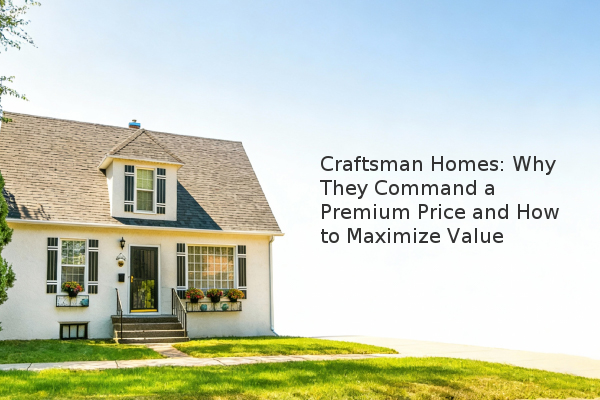
Craftsman homes consistently sell for a premium, with a national median price of $467,000—approximately $42,000 above the general market. Driven by buyer demand for authenticity and quality craftsmanship, these historic properties have appreciated 43.7% over the past six years. For sellers, this translates to significant equity; a decade of ownership could mean a nearly 50% return on your initial investment. This article details the factors behind their value and provides actionable strategies for sellers to capitalize on this demand.
The appeal of a Craftsman home—a style known for its handcrafted details and early 20th-century origins—is both emotional and tangible. Buyers are drawn to unique character traits that are difficult to replicate in new construction.
"Because quality, craftsmanship, and community character are baked into the DNA of a true Craftsman home, they strike an emotional chord," says real estate agent Jake Kennedy. "Buyers aren’t just purchasing a house. They’re buying quality, history, and a kind of soul that new construction can’t imitate."
Key features that justify a higher asking price include:
This cultural shift towards valuing lasting quality over fleeting trends makes buyers willing to pay more for a home with inherent character.
According to recent data, the financial investment in a Craftsman home is robust. Nationally, this architectural style has seen a 3.8% appreciation over the past year. The following table illustrates the price advantage compared to the national median.
| Metric | Craftsman Homes | National Median |
|---|---|---|
| Median Sale Price | $467,000 | ~$425,000 |
| 1-Year Appreciation | 3.8% | Data Varies by Market |
| 6-Year Appreciation | 43.7% | Data Varies by Market |
This premium is not uniform and is highly dependent on location. For example, Craftsman homes are most prevalent in Atlanta, where they constitute 14.2% of all listings. In markets like Monroe, CT, high demand can lead to competitive multiple-offer situations, with buyers often waiving inspection contingencies to secure a property.
Pricing should reflect both tangible features and intangible appeal. While comparing recently sold similar homes (comps) is standard, a Craftsman home often warrants a higher price for its originality, location, and condition.
"A strategic pricing sweet spot that is close enough to drive traffic, but reflective of its architectural value, can spark bidding activity," explains real estate agent Danielle McCain. Overpricing can deter potential buyers, but underpricing leaves money on the table. The goal is to set a price that acknowledges the home's unique historical value while remaining competitive within the local market.
Before listing, strategic investments can significantly enhance the property's perceived value and justify a premium asking price.
To maximize your return, focus on the home's authentic character. Highlighting original craftsmanship and the property's history is more impactful than extensive modern renovations. Proper pricing and targeted marketing are essential to attracting buyers who truly appreciate the value of a Craftsman home.