Browse

Log in / Register
 Share

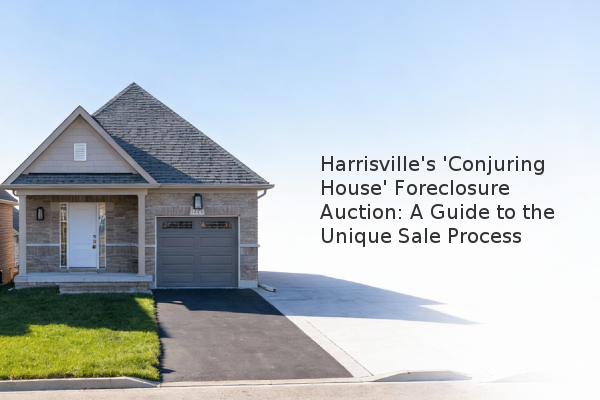
The infamous Harrisville, Rhode Island home that inspired "The Conjuring" film series is scheduled for a foreclosure auction on October 31st. This sale is not a standard real estate transaction but a court-ordered process to satisfy a debt. The property's unique notoriety adds a layer of complexity, yet the underlying procedure follows standard foreclosure auction protocols. This article explains the key details of the sale and what potential bidders and observers need to understand.
A foreclosure auction is a public sale of a property initiated by a lender, such as a bank or mortgage company, to recover the balance of a loan from a borrower who has stopped making payments. It is a legal process governed by state law. In this case, the owners defaulted on the mortgage, leading the lender to petition the court to sell the property. Unlike a traditional sale, the auction winner must typically pay the full bid amount immediately or within a short timeframe, often in cash or via a cashier's check. This is a key risk, as financing contingencies common in standard purchases are not available.
The auction for the so-called "Old Arnold Estate" is set for Halloween at the property site. According to court documents, the opening bid is expected to be set by the lender. Interested parties must register beforehand and provide a significant deposit to participate. It is crucial to note that the property is being sold "as-is, where-is," meaning the buyer accepts all existing conditions without any warranties from the seller. This is a critical consideration given the home's age and its history of significant renovations alongside its paranormal reputation.
A stigmatized property is one whose value is potentially affected by a non-physical attribute, such as an event like a crime or, in this case, a reputation for being haunted. While Rhode Island law requires sellers to disclose material physical defects, disclosure of a psychological stigma is not mandatory. This can create a unique market dynamic. The current owners had leveraged the home's fame, offering tours and branding it as a museum, which may attract investors seeing commercial potential despite the stigma. However, the foreclosure context limits the sellers' ability to negotiate, placing the investment risk squarely on the auction winner.
Participating in a foreclosure auction requires extensive due diligence. Key steps include:
Purchasing any property at a foreclosure auction carries inherent risks, and buying a stigmatized property adds another layer of complexity. Prospective bidders should consult with a real estate attorney and a qualified buyer's agent experienced in auction purchases.