Browse

Log in / Register
 Share
Share
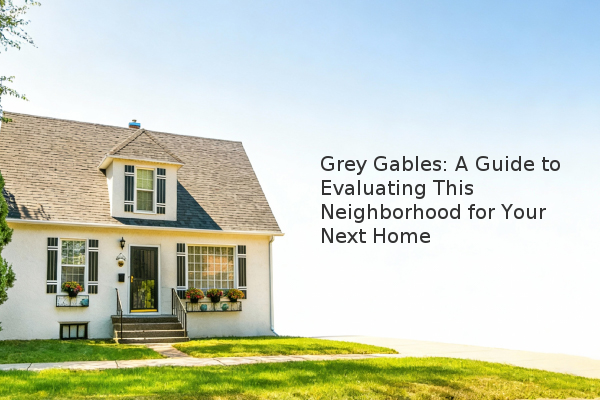
Grey Gables represents a specific type of residential community, often characterized by its architectural style and neighborhood atmosphere, that homebuyers should evaluate based on key factors like property values, amenities, and location. For potential buyers, understanding how to assess an area like Grey Gables is critical for making an informed real estate decision. This guide provides a structured framework for your evaluation, focusing on objective criteria rather than subjective opinions, to help you determine if this neighborhood aligns with your housing goals.
The term "Grey Gables" typically refers to a neighborhood or subdivision, often identifiable by a particular architectural theme, such as homes featuring grey siding and gabled roofs. The first step in your evaluation is to understand its defining characteristics. This involves researching the Homeowners Association (HOA), a governing body that sets rules and manages common areas, if one exists. Review the HOA's covenants, conditions, and restrictions (CC&Rs) to understand regulations on exterior modifications, rental policies, and monthly fees. Additionally, identify the types of properties available; Grey Gables might consist primarily of single-family homes, which are free-standing properties on their own land, or it could include townhouses and condominiums.
| Evaluation Factor | Key Questions to Investigate |
|---|---|
| Property Types | Are homes primarily single-family, townhouses, or condos? What is the average lot size? |
| Architectural Consistency | Are there strict guidelines maintaining the community's aesthetic? |
| Common Amenities | Does the community offer parks, pools, or walking trails? |
A core component of your decision is financial. Investigating the local real estate market within Grey Gables will provide insight into affordability and investment potential. Start by analyzing recent sales data. Look for the median sales price, which is the middle point of all home sale prices in the area over a specific period, indicating typical market value. Also, calculate the price per square foot to compare homes of different sizes fairly. It is essential to track how long properties stay on the market, as a low average can indicate high demand. Based on our experience assessment, consulting multiple listing service (MLS) data through a licensed real estate agent offers the most accurate and current information.
Key Metric: The median sales price in a comparable area might be $450,000, with homes spending an average of 30 days on market, suggesting a balanced environment between buyers and sellers.
Beyond the numbers, the quality of life in Grey Gables is determined by practical factors. Property Tax rates, which are annual fees levied by local governments to fund services like schools and infrastructure, can vary significantly by county and will impact your monthly housing costs. Research the assigned school districts, even if you do not have children, as school quality heavily influences property values. Evaluate the commute times to major employment centers and access to essential services like grocery stores, healthcare facilities, and retail centers. Proximity to highways or public transportation can greatly affect your daily routine and the long-term desirability of the neighborhood.
Before making an offer, consolidate your research into a final assessment. First, physically visit the neighborhood at different times of the day and week to observe noise levels, traffic patterns, and general upkeep of properties. Second, engage with current residents to gain informal insights about their experience living there. Third, verify all information regarding HOA fees, property taxes, and any special assessments with official sources or your real estate agent. This due diligence ensures there are no unexpected surprises after you purchase a home.
To effectively evaluate a neighborhood like Grey Gables, focus on a balanced review of financial data, community rules, and quality-of-life factors. Prioritize verifying property taxes and HOA regulations, personally experience the community at various times, and always base your decision on comprehensive, current data from reliable sources.