Browse

Log in / Register
 Share


Garden style apartments offer a unique and desirable living experience, characterized by their low-rise design, ample green space, and direct exterior access. For renters seeking a alternative to high-density high-rises, these communities provide a blend of privacy, convenience, and a connection to the outdoors. This guide outlines the key features, advantages, and important considerations to help you determine if a garden apartment is the right fit for your lifestyle.
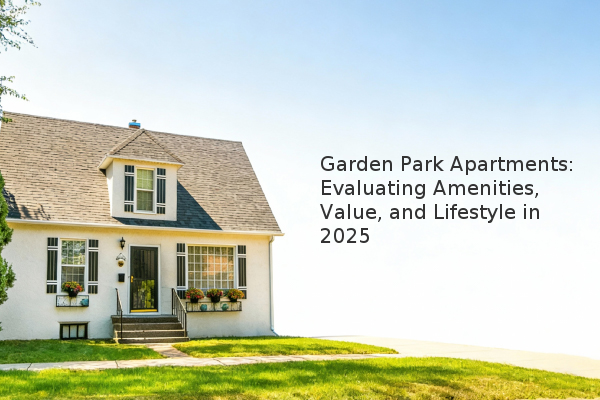
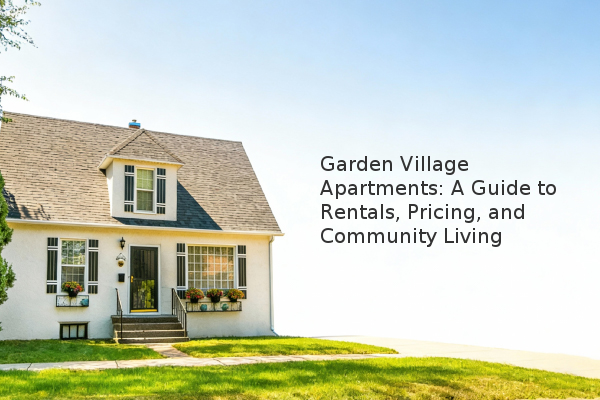
The primary appeal of a garden apartment lies in its horizontal layout, typically two or three stories high, spread across multiple buildings within a landscaped property. Unlike multi-story complexes with interior hallways, most units have private entrances, often leading to a patio, balcony, or small yard. This design fosters a more residential, neighborhood-like feel compared to conventional apartment living.
Garden apartments are defined by several distinct architectural and community features. The most recognizable is their low-rise construction, which minimizes the number of units per building. This layout maximizes the amount of land dedicated to lawns, gardens, trees, and walkways. Residents typically enjoy direct-access units, meaning you can enter your home directly from the outdoors without navigating a lobby or long hallway. Many units are designed as townhome-style or duplex layouts, sometimes spanning two floors to create a more house-like interior. A critical feature to inquire about is the type of ownership or management. Most garden apartments are rental communities, but some may be organized as condominiums, where individuals own their units. It's essential to understand the rules set by the Homeowners Association (HOA) if you are buying a condo, as they govern exterior maintenance and community amenities.
The benefits extend beyond mere aesthetics. One of the most significant advantages is increased privacy and reduced noise. With fewer shared walls and no upstairs or downstairs neighbors in many ground-floor units, daily life is often quieter. The abundance of green space provides areas for recreation, dog walking, or simply relaxing, which can enhance your overall well-being. From a practical standpoint, moving in and out is generally easier due to the direct exterior access and proximity to parking. Furthermore, garden apartments are often found in suburban areas where rental prices and property taxes may be more affordable than in dense urban centers, offering better value for your budget.
While appealing, this housing style has potential limitations. The sprawling nature of the property can mean a longer walk from your parking spot to your front door, especially if you don't have a dedicated assigned space. Security can be a consideration; with numerous individual entrances, these complexes may feel less secure than a single-entry high-rise with a doorman, though many modern communities have gated access and security systems. Because the buildings are spread out, maintenance of common areas like landscaping and snow removal is crucial, and the quality can vary depending on the property management. Lastly, you might have fewer on-site amenities, such as a fitness center or pool, compared to a larger, more centralized apartment complex.
Before committing, due diligence is essential. Based on our experience assessment, here are critical questions to ask:
Garden style apartments represent a compelling choice for those prioritizing space, quiet, and a sense of community over urban density. Their unique layout offers a balance of indoor and outdoor living that is difficult to find in other multi-family housing options. By carefully weighing the features, benefits, and potential drawbacks, you can make an informed decision that aligns with your personal and financial goals. Focus on verifying utility costs, understanding maintenance responsibilities, and assessing the privacy and security features to ensure a positive living experience.