Browse

Log in / Register
 Share

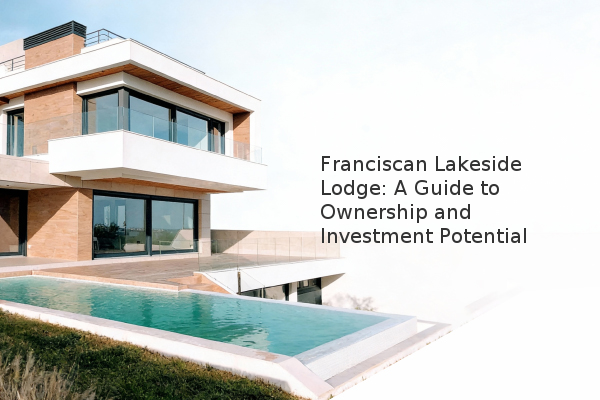
Owning a property like the Franciscan Lakeside Lodge represents a significant real estate investment, often appealing to buyers seeking a turnkey hospitality business or a unique large-scale residential compound. This type of property, typically classified as commercial real estate due to its income-generating nature, combines the challenges and opportunities of lodge management with the appreciating value of prime real estate. Based on our experience assessment, the investment potential hinges on location, property condition, and market trends. This guide provides an objective overview of the key considerations for such a purchase.
What is the Franciscan Lakeside Lodge? The Franciscan Lakeside Lodge is a specific property that falls under the category of a hospitality lodge. A lodge is a type of accommodation, often in a rustic or scenic setting, that provides lodging for guests. Unlike a standard hotel, a lodge like this one may offer a more intimate atmosphere, frequently capitalizing on its natural surroundings, such as a lakeside view. The value of such a property is intrinsically linked to its location, physical assets, and its established business operation, including any existing brand recognition or customer base.
Key Financial Considerations for a Lodge Property Evaluating a lodge requires a deep dive into its financials. The asking price is just the starting point. Prospective buyers must scrutinize historical revenue streams, occupancy rates, and operating expenses. Major cost factors include property tax, insurance, maintenance, staff salaries, and utilities. A critical step is to review the profit and loss statements from at least the past three years. Below is a simplified table illustrating potential annual operating costs for a mid-sized lodge, which can vary significantly by state and scale.
| Expense Category | Estimated Annual Cost Range |
|---|---|
| Property Taxes | $20,000 - $60,000 |
| Insurance | $15,000 - $40,000 |
| Utilities | $25,000 - $70,000 |
| Maintenance & Repairs | $30,000 - $80,000 |
| Staffing | $150,000 - $400,000+ |
What Are the Due Diligence Steps for a Commercial Lodge? Due diligence is the comprehensive appraisal of a business or property before signing a contract. For a lodge, this process is extensive. It includes a property inspection to assess the condition of all buildings, the septic system, roofing, and the waterfront infrastructure. Given the commercial nature, you must also verify business licenses, zoning regulations, and environmental compliance. A crucial component is title insurance, which protects the buyer from future claims or liens against the property's ownership history. Engaging a real estate attorney with experience in hospitality acquisitions is highly recommended.
Understanding the Investment Potential and Risks The potential for return on investment comes from two primary sources: operational profit and real estate appreciation. A well-run lodge in a desirable location can generate substantial cash flow. However, the hospitality industry is sensitive to economic downturns and seasonal fluctuations. Risks include changing travel trends, increased competition, and unforeseen major repairs. The real estate itself may appreciate over time, but this is not guaranteed and depends heavily on the broader local real estate market.
Financing a Commercial Lodge Purchase Financing for a property like a lodge differs from a standard residential mortgage. Lenders typically offer commercial loans, which often require a larger down payment, sometimes 25% to 35% of the purchase price. The loan terms are based heavily on the property's cash flow and business viability rather than just the borrower's personal income. You will need to present a solid business plan to the lender to demonstrate your ability to manage the lodge successfully and service the debt.
Key considerations before pursuing a property like the Franciscan Lakeside Lodge include a thorough financial review, expert-led due diligence, and a realistic business plan. The appeal of a lakeside lodge is undeniable, but it is essential to separate the emotional draw from the financial realities. Consult with a commercial real estate broker and an accountant to validate the investment's potential based on current market data. Ultimately, success depends on meticulous planning and a clear-eyed assessment of both the opportunities and inherent risks in the hospitality real estate sector.