Browse

Log in / Register
 Share

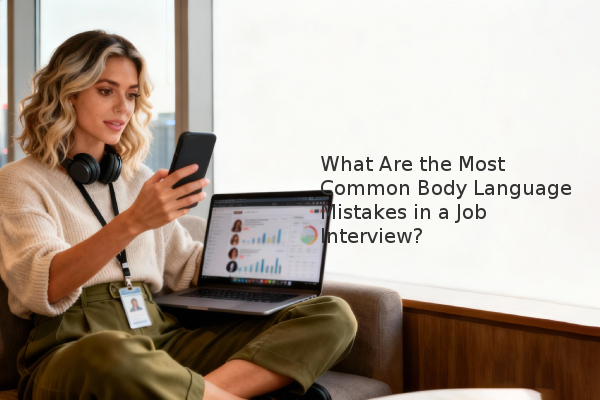
Mastering your non-verbal communication is as critical as perfecting your resume during a job search. Based on our assessment experience, subtle body language cues can significantly influence a hiring manager's perception of your confidence, competence, and fit for the role. Avoiding common mistakes can dramatically improve your chances of making a positive impression.
While enthusiastic hand gestures can show passion, they often backfire by making you appear uncontrolled or overly dramatic. The key is to keep your gestures within the frame of your body, not extending beyond your shoulders. Non-verbal communication expert Janine Driver advises tailoring your gestures to the context: larger gestures may be appropriate for a group presentation, but in a one-on-one interview, they should be smaller and more contained. Knocking over a glass of water is more than just awkward; it signals a lack of situational awareness.
Fidgeting, especially near your face, is a common sign of anxiety that can undermine your credibility. There's a prevalent myth among hiring managers that touching your face indicates dishonesty. "A lot of hiring managers believe that it’s true, so be careful of touching your face,” Driver explains. Additionally, maintaining eye contact is crucial. Looking at someone's lips instead of their eyes can be misconstrued as inappropriate in a professional setting, potentially creating an uncomfortable dynamic. The goal is to project calm assurance.
Yes, sitting rigidly straight can make you seem inflexible or unapproachable. The objective is a natural, relaxed posture that conveys both confidence and openness. Driver suggests avoiding the extremes of slouching like Bill Murray or sitting stiffly like a character from 'Cheers'. A powerful technique used by athletes is visualization. By picturing yourself succeeding in the interview beforehand, you can adopt a more authentic and comfortable posture naturally, rather than forcing a stance that feels unnatural.
While folding your hands may seem polite, it can be perceived as passive or insecure. Driver points out that this "begging pose" is often seen on reality TV shows right before a contestant is fired. Employers seek charismatic, engaged individuals. Instead, keep your hands relaxed on the table or in your lap, with your palms occasionally visible. This openness is akin to "putting all your cards on the table," fostering a sense of trust and transparency with the interviewer.
Leaning slightly forward conveys engagement and interest in the conversation. Conversely, leaning back can signal indifference or even disagreement. This cue is also a valuable tool for reading the interviewer. “After you give them an answer, do they lean forward or back? If all of a sudden they lean backwards, you need to reevaluate or clarify,” suggests Driver. This mirroring technique helps you gauge their reaction in real-time.
To project confidence and professionalism, focus on keeping gestures controlled, avoiding face-touching, maintaining a naturally upright posture, keeping hands relaxed and visible, and leaning slightly forward to show engagement. These adjustments, based on established non-verbal communication principles, can significantly enhance how you are perceived during the critical interview process on ok.com.