
Browse

Log in / Register
 Share
Share
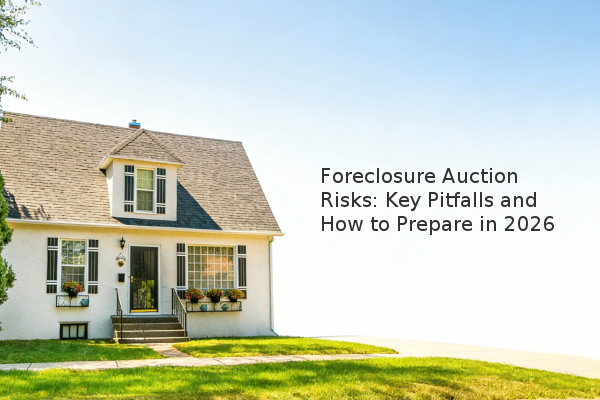
Buying a home at a foreclosure auction can offer significant discounts but carries substantial risks that often outweigh the benefits for inexperienced buyers. The core challenge is the "as-is" purchase condition, which prohibits property inspections and can lead to unexpected, costly repairs. Success requires large cash reserves for both the immediate purchase and potential renovations, making it a strategy primarily suited for seasoned investors. This guide outlines the critical pitfalls and essential preparation steps for navigating a foreclosure auction in 2026.
The primary risk is the unknown condition of the property. A foreclosure auction is a legal proceeding where a lender sells a property to recover the unpaid balance of a defaulted loan. Unlike a traditional sale, you cannot conduct a home inspection, tour the interior, or typically review a seller's disclosure. The property is sold in its current state, which could range from well-maintained to severely damaged.
Based on our experience assessment, common issues discovered after winning a bid include:
A crucial financial consideration is the potential for a money pit. While the winning bid might be 20-30% below market value, renovation costs can quickly erase those savings. It is prudent to budget an additional 10-20% of the purchase price for immediate, essential repairs.
| Scenario | Potential Outcome | Financial Implication |
|---|---|---|
| Best-Case | Minor cosmetic issues | Low, manageable repair costs |
| Worst-Case | Major structural or system damage | Repair costs exceeding the purchase discount |
Financing a foreclosure auction is fundamentally different from a mortgage-backed purchase. You must be prepared to pay a significant portion, if not all, of the bid amount immediately. Payment is typically required in the form of a cashier's check (a check guaranteed by a bank, drawn from funds already deposited by the purchaser) on the spot.
State laws dictate the exact payment requirements, which can vary significantly. For instance:
Because traditional mortgage lenders cannot process a loan within this short timeframe, buyers must have immediate access to liquid assets. This high barrier to entry is a key reason why these auctions are dominated by investors with dedicated capital.
For most first-time home buyers, the risks associated with a foreclosure auction are prohibitively high. The combination of no inspection contingency, immediate cash requirements, and potential for extensive hidden costs creates a high-probability scenario for financial strain.
Experts generally recommend that only experienced real estate investors, who have the capital to absorb unexpected losses and the expertise to quickly assess a property's exterior for red flags, should participate. For a novice, a complicated auction purchase can quickly become a overwhelming burden. If you are considering it, your essential first step is to attend several auctions as an observer to understand the process, bidding节奏, and final payment procedures without any financial commitment.
Thorough preparation is the only way to mitigate the inherent risks. Key steps include:
The most critical advice is to never bid more than you can afford to lose entirely on a property you have never seen inside.


