Browse

Log in / Register
 Share


For real estate investors and homeowners in 2026, identifying a property's true value is the cornerstone of a sound financial decision. It goes beyond simple listing prices, encompassing a comprehensive analysis of the property's condition, local market trends, and potential for appreciation. This guide provides a structured approach to accurately assessing property value in your local area, leveraging both modern data tools and fundamental appraisal principles to help you make informed choices.
True value, often referred to as Fair Market Value (FMV), is the price a knowledgeable, willing, and unpressured buyer would pay to a knowledgeable, willing, and unpressured seller in the open market. It is not determined by a single factor but by a convergence of data points. Crucially, it is distinct from a home's listing price, which can be influenced by seller motivation, or its assessed value for property tax purposes, which may not reflect current market conditions. Understanding this distinction is the first step in avoiding overpayment.
To accurately gauge value, you must investigate both the property itself and its surroundings. Key factors include:
The table below provides a simplified example of how to compare properties to estimate value:
| Address | Sale Price (2026) | Sq. Ft. | Beds/Baths | Key Features | Price per Sq. Ft. |
|---|---|---|---|---|---|
| 123 Main St. | $450,000 | 2,000 | 3/2 | Updated Kitchen | $225 |
| 456 Oak Ave (Your Target) | ? | 2,100 | 3/2 | Original Kitchen | ? |
| 789 Pine Rd | $440,000 | 2,050 | 3/2 | New Roof, Pool | $215 |
Start with online valuation tools for a preliminary estimate, but recognize their limitations as they use automated models. For a more precise figure, follow these steps:
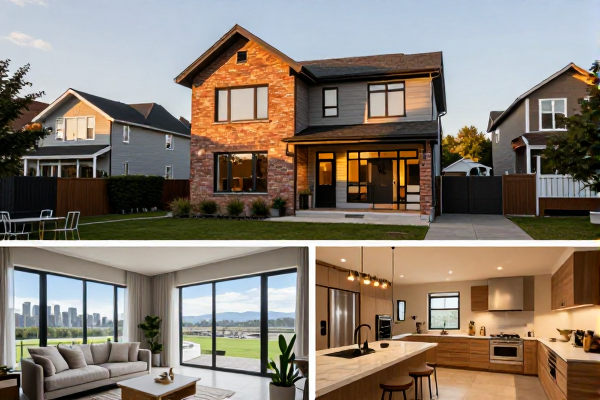
Based on our experience assessment, a methodical approach yields the best results. First, clearly define your investment goals—are you seeking a quick flip, a long-term rental, or a primary residence? This will determine how you weigh different value factors. Next, leverage a combination of online resources and boots-on-the-ground research. Drive through the neighborhood at different times to assess noise levels and traffic. Finally, always factor in closing costs, which typically range from 2% to 5% of the home's purchase price, and potential immediate repair costs into your total investment calculation.
To secure a property with strong true value in 2026, focus on a thorough CMA, account for necessary repairs and modernization costs, and align the purchase with your long-term financial strategy rather than short-term market fluctuations.