Browse

Log in / Register
 Share

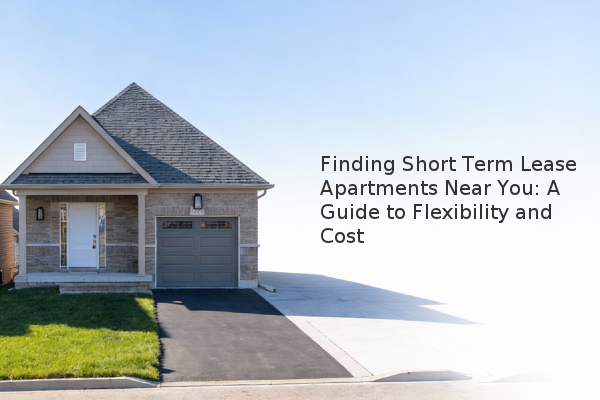
Securing a short-term lease apartment, typically defined as a rental agreement for less than 12 months, offers unparalleled flexibility for individuals in transitional life stages. Whether you're relocating for a new job, undergoing home renovations, or simply wanting to test a new neighborhood, a shorter lease can be an ideal solution. However, this flexibility often comes with a premium; monthly rents can be 10-20% higher than those for standard year-long leases. This guide provides a clear, actionable framework for finding and evaluating short-term rental options in your area.
A short-term lease is any rental agreement with a duration shorter than the typical 12-month lease. Common terms include month-to-month, three-month, six-month, and nine-month agreements. A month-to-month lease is a flexible arrangement that automatically renews each month until either the tenant or landlord gives proper notice to terminate, usually 30 days. It's crucial to understand that while these leases offer freedom, they also grant the landlord the same right to end the tenancy with notice, leading to less stability than a long-term contract.
Finding available short-term leases requires a targeted search strategy. While general rental platforms are a starting point, you must use specific filters for lease duration. Focus your search on corporate housing providers, which specialize in furnished apartments for business travelers, and extended-stay hotels that offer apartment-style accommodations. Additionally, consider subletting opportunities where a current tenant needs to leave before their lease ends. When searching, use precise terms like "short-term lease," "month-to-month," or "flexible lease terms" to narrow results effectively.
| Search Method | Best For | Potential Drawbacks |
|---|---|---|
| Corporate Housing Sites | Furnished, all-inclusive rents | Highest cost premium |
| Extended-Stay Hotels | Immediate availability, no utility setup | Often smaller living spaces |
| Subletting (e.g., via social media groups) | Potentially lower costs | Requires landlord approval, variable lease terms |
Before committing to a short-term lease, carefully evaluate the financial and practical implications. The most significant factor is cost. Landlords charge a premium for flexibility to offset the risk of vacancy. You will likely face a higher monthly rent and may be required to pay a larger security deposit—a refundable sum held by the landlord to cover potential damages. Furthermore, these leases often include utilities like internet, cable, and water in the rent for simplicity. Always request a full breakdown of all monthly costs to avoid surprises.
Weighing the advantages and disadvantages is essential for making an informed decision. The primary benefit is, without a doubt, flexibility. You are not locked into a long-term commitment, which is ideal for uncertain timelines. However, the trade-offs are substantial. The higher monthly cost is the most common drawback. There's also less incentive for landlords to address non-urgent maintenance requests for short-term tenants. From a community perspective, you may have less opportunity to build relationships with neighbors in a transient living situation.
While the market for short-term rentals is often less negotiable than for long-term ones, there are opportunities to discuss terms. If you have strong credit and a stable income, you can use this as leverage to request a slightly lower rent or a reduced security deposit. If you're considering extending your stay, ask if the lease can be converted to a longer-term agreement at a lower rate after an initial period. Always get any agreed-upon terms in writing within the lease contract to ensure they are legally binding.
In summary, securing a short-term lease apartment involves a clear trade-off between flexibility and cost. To navigate this process successfully, start your search early to have a wider selection of units. Scrutinize the lease agreement for any clauses about automatic renewal or steep termination fees. Finally, create a realistic budget that accounts for the premium rent and any additional fees. By understanding the market dynamics and asking the right questions, you can find a short-term rental that meets your needs without exceeding your financial comfort zone.