Browse

Log in / Register
 Share

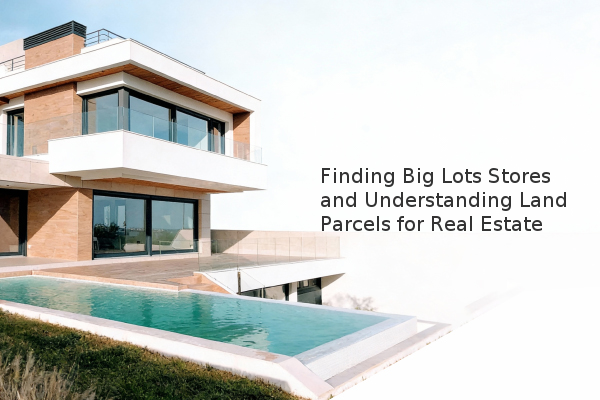
When searching for "big lots cerca de mi," your intent might extend beyond locating a retail store to understanding the real estate term "big lots"—meaning large parcels of vacant land. This guide explores both interpretations, with a primary focus on the investment potential, due diligence steps, and zoning considerations for purchasing large land parcels in the current market. Purchasing a large lot is a significant long-term investment that requires meticulous research into zoning, utilities, and market trends.
In real estate, a "big lot" or large lot typically refers to a sizable parcel of vacant land, often exceeding one acre. These properties are distinct from standard residential lots and present unique opportunities and challenges. Unlike a Freehold property (where the owner has absolute ownership of the land and any structures on it for an indefinite period), a big lot may have specific usage restrictions. The key advantage is the potential for appreciation and development flexibility, but this is heavily governed by local zoning ordinances, which are laws dictating how land can be used (e.g., for residential, commercial, or agricultural purposes).
| Lot Size | Common Potential Uses |
|---|---|
| 1-5 Acres | Single-Family Custom Home, Small Farm |
| 5-20 Acres | Multi-Home Subdivision, Commercial Development |
| 20+ Acres | Agricultural Operation, Conservation Land |
The appeal of a large lot is undeniable, but thorough due diligence is non-negotiable. The first step is to conduct a title search to ensure there are no existing liens or ownership disputes on the property. This is often protected with Title Insurance, a policy that shields the buyer from financial loss due to defects in the title. You must also verify access; a deeded easement (a right to use another person's land for a specific purpose, like a driveway) may be necessary if the lot is landlocked.
Critical questions to answer include:
Zoning is the most critical factor determining a big lot's value and utility. Zoning ordinances are established by municipal or county governments. Before purchasing, you must research the specific zoning classification of the parcel. A lot zoned for agricultural use may not allow you to build a single-family home without a variance or rezoning process, which can be time-consuming and uncertain. Contacting the local planning department is an essential step to understand what is permissible, including building setbacks, height restrictions, and minimum lot size requirements for subdivision.
Financing a land purchase differs from buying a home. Traditional mortgages are designed for properties with existing structures. For vacant land, you may need a land loan, which often requires a larger down payment, typically 20% to 50%, and carries a higher interest rate due to the perceived higher risk for the lender. Beyond the purchase price, buyers must budget for Property Tax (an annual tax levied by the local government on the value of the real estate) and potential ongoing maintenance costs like clearing brush or securing the perimeter.
Ultimately, purchasing a big lot is a strategic decision based on our experience assessment. It offers long-term appreciation potential and flexibility but demands a higher level of research and upfront capital than a standard home purchase. Always work with a real estate agent experienced in land transactions and consult with land-use attorneys and surveyors to mitigate risks.