Browse

Log in / Register
 Share

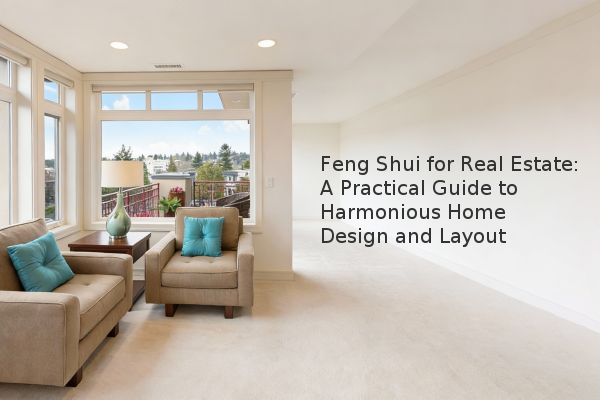
Applying Feng Shui principles to your home can create a more balanced and supportive environment, potentially enhancing your well-being and the property's positive energy flow. Based on our experience assessment, this ancient practice focuses on the intentional arrangement of your living space to align with the natural world. For homeowners and buyers, understanding key concepts like chi (the universal life force energy) and the bagua map can inform better design choices, from floor plan selection to furniture placement, without requiring major renovations.
Feng shui is an ancient Chinese art of placement that aims to create harmony between individuals and their surroundings. The term translates to "wind-water," reflecting the belief that a gentle flow of energy, similar to wind and water, promotes good health and fortune. In real estate, this philosophy extends beyond décor to influence architectural design and home-buying decisions. The core goal is to arrange your environment so that chi flows freely and effortlessly, supporting the occupants' goals and well-being. A well-balanced home, according to this view, is a foundation for a balanced life.
Several core tenets guide the application of feng shui. Understanding these can help you make informed adjustments to any living space.
Chi (Qi): This is the vital energy that flows through all living things and spaces. The primary objective is to avoid obstructions that block this energy. This means favoring open floor plans, avoiding cramped furniture arrangements, and ensuring there is a sense of spaciousness to allow energy to circulate.
The Bagua Map: The bagua map is a fundamental feng shui tool, typically an octagonal grid, that maps different areas of your home to specific aspects of your life, such as career, relationships, and wealth. By overlaying this map on your floor plan, you can identify which sections to enhance. For example, the center of the bagua represents health, so keeping that area of your home clean and well-lit is considered beneficial.
The Five Elements: Feng shui incorporates five natural elements—wood, fire, earth, metal, and water—to create balance. You don’t need literal representations; the elements can be symbolized through colors, shapes, and materials. For instance, incorporating a blue accent (water element) or a wooden bowl (wood element) can help achieve equilibrium without a full remodel.
When evaluating a property, whether new construction or an existing home, certain architectural features are believed to influence energy flow positively.
The Floor Plan: A floor plan that is deeper than it is wide (from the front perspective) is generally preferred. This design is thought to welcome positive energy deeper into the home and encourage it to settle. When browsing listings, prioritize homes with clear, logical layouts that feel inviting rather than boxy or shallow.
Ceiling Height: Ceilings should feel proportionate to the room's size. Very low ceilings can feel oppressive, while excessively high ceilings in a small room may create a sense of disconnection. A comfortable height of eight to nine feet is often ideal for creating a cozy, contained atmosphere.
Bathroom Placement: It is advisable to avoid having a bathroom door directly opposite or too close to a bedroom entrance or main living area. This is based on the principle that bathrooms, while necessary, are areas where energy drains away.
You can cultivate better feng shui through thoughtful decorating. The goal is to create a sense of support and ease in each room.
The Living Room: Position your sofa against a solid wall to create a feeling of security and support. Avoid placing large furniture directly in the path of doors or windows. Ensure there is enough space to move freely around furniture, which facilitates the smooth movement of both people and energy.
The Bedroom: Place your bed so you have a clear view of the door without being directly in line with it. A diagonal placement is often recommended. Using matching nightstands on either side of the bed introduces symmetry, which promotes a sense of balance and calm, conducive to rest.
Curb Appeal: The home's exterior is equally important. A well-maintained yard and clean entrance attract positive energy. Keep pathways clear of obstructions so energy, and guests, can approach your home easily.
The most effective feng shui adjustments are the ones that address your specific needs. You do not need to apply every rule. Start by identifying one or two areas of your life you wish to enhance and use the corresponding area of the bagua map to guide small, intentional changes. The principle is to focus on the strengths of your space rather than what it may lack, creating a harmonious and supportive environment through mindful design.