Browse

Log in / Register
 Share
Share

For homebuyers in 2026, properties with sustainable features are not just a trend but a smart financial and lifestyle investment. Eco-friendly upgrades, from high-efficiency HVAC systems to electric vehicle (EV) charging stations, can significantly enhance a home's market value, reduce long-term ownership costs, and appeal to a growing segment of environmentally conscious buyers. This analysis, based on current real estate market data, outlines which green features offer the best return and how to identify them.
An eco-friendly home, often referred to as a "green" home, is designed to minimize its environmental impact through energy efficiency, water conservation, and sustainable materials. Key characteristics include superior insulation, energy-star rated appliances, and renewable energy systems like solar panels. The value proposition is clear: lower utility bills and a smaller carbon footprint. For example, a home with a high-efficiency heating, ventilation, and air conditioning (HVAC) system uses less energy to maintain comfortable temperatures, leading to substantial annual savings.
Not all sustainable upgrades are equal in the eyes of the market. Based on our experience assessment, certain features consistently yield a strong return on investment (ROI).
While unique design elements like river rock floors or glass walls contribute to a home's character, it is these practical, cost-saving features that have the most direct impact on valuation.
Current market analysis indicates that sustainability is transitioning from a niche preference to a mainstream demand driver. Homes with verifiable green certifications or a clear portfolio of eco-upgrades often sell faster and for a premium compared to similar conventional homes. The initial investment in these features is often offset by both the higher sale price and the buyer's anticipation of reduced future expenses. It is a compelling value equation: paying a premium upfront for a home that will cost less to own over time.
When evaluating a home's eco-credentials, buyers should move beyond aesthetics and ask specific questions.
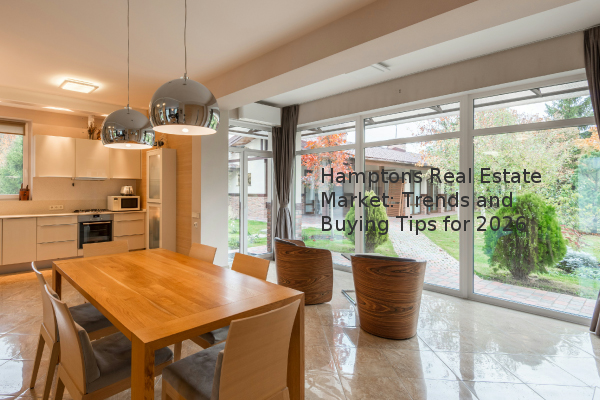
Focus on features that directly impact monthly expenses and long-term maintenance. A beautifully renovated kitchen is a bonus, but its value is amplified when it includes energy-efficient appliances and sustainable materials.
In conclusion, prioritizing eco-friendly features is a strategic move for 2026 buyers. The most valuable upgrades are those that offer measurable savings and align with modern lifestyles. By focusing on verifiable, high-ROI improvements, buyers can secure a home that is not only comfortable but also a financially astute investment for the future.