Browse

Log in / Register
 Share

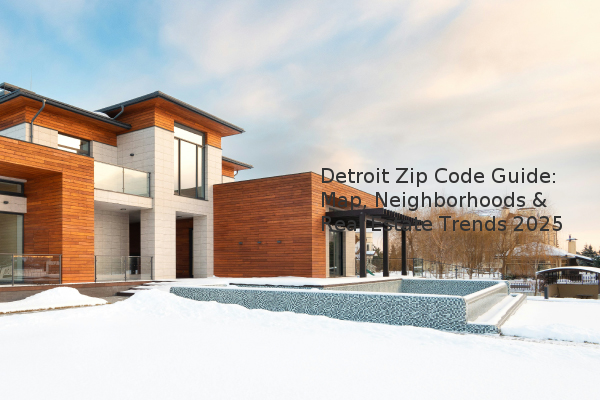
Understanding Detroit's zip codes is crucial for navigating its diverse real estate market, from rapidly appreciating neighborhoods to areas with high investment potential. This guide provides an objective overview of key Detroit zip codes, their associated neighborhoods, and current housing market trends to inform your search.
Zip codes are numerical codes used by the United States Postal Service (USPS) to efficiently route mail. In real estate, they have become a common shorthand for identifying specific areas and their market characteristics. For a city as dynamic as Detroit, zip code data offers a foundational layer of insight.
Several zip codes stand out for their unique market conditions. 48215 (covering the Morningside and East English Village neighborhoods) is known for its stable community of well-maintained bungalows. 48226 encompasses Downtown Detroit, a hub for luxury condominiums and new residential developments. 48206 is a large area on the city's east side, representing a market with lower-priced homes that attract investors. 48221 (Palmer Woods and Sherwood Forest) features historic, architecturally significant homes. Each code tells a different story about price, property type, and community vibe.
| Detroit Zip Code | Representative Neighborhoods | Median Home Price* | Key Characteristic |
|---|---|---|---|
| 48215 | Morningside, East English Village | $115,000 | Stable, family-friendly bungalows |
| 48226 | Downtown, Financial District | $375,000 | Luxury high-rises & new development |
| 48206 | Eastside Areas | $45,000 | Investor-focused, rehab opportunities |
| 48221 | Palmer Woods, Sherwood Forest | $275,000 | Historic, large estate homes |
| 48207 | Indian Village, West Village | $250,000 | Architectural significance, renovation |
Note: Median home prices are estimates based on recent market data and can fluctuate.
It's a common misconception that Property Tax rates—the annual amount a homeowner pays to the local government based on the assessed value of their property—vary by zip code. In reality, property tax rates are set at the city and county level. For the City of Detroit, the rate is uniform. However, the amount of tax paid differs significantly across zip codes because it is based on the home's assessed value. A $300,000 home in 48221 will have a much higher tax bill than a $50,000 home in 48206, even though the rate is the same.
Investment activity is concentrated in areas with potential for appreciation. Based on our experience assessment, zip codes like 48215 and 48207 consistently show high demand from both owner-occupants and investors due to their established neighborhoods and ongoing revitalization efforts. 48226 attracts investors interested in the rental market, particularly for short-term and corporate rentals. While 48206 has a high volume of transactions, often involving cash purchases from investors, the market dynamics are distinct from those in more residential areas.
A zip code provides a starting point, but it should not be the sole factor in a real estate decision. Within a single zip code, conditions can change block by block. It is essential to:
Ultimately, a Detroit zip code offers a useful filter, but due diligence on the specific property and its immediate surroundings is the most critical step. The city's market is nuanced, and success depends on aligning a location's characteristics with your personal or investment goals. Consulting with a local real estate expert can provide deeper, hyperlocal insights that general zip code data cannot.