Browse

Log in / Register
 Share
Share

Navigating Nashville's real estate market requires a clear understanding of its zip codes, as each one dictates distinct neighborhood characteristics, property types, and price points. Nashville's zip codes are a primary factor in determining property values, with median home prices varying by hundreds of thousands of dollars depending on the area. This guide provides an objective overview of key Nashville, TN zip codes and their correlation with the 2026 housing market to inform your search, whether you are buying, selling, or renting.
What is the significance of a zip code in Nashville real estate? A ZIP Code, an acronym for Zone Improvement Plan, is a system used by the United States Postal Service (USPS) to efficiently route mail. In real estate, a zip code often aligns with specific neighborhoods or municipalities within a larger city like Nashville. It directly influences property taxes, which are calculated based on the assessed value and the tax rates set by the local government for that area. Furthermore, zip codes determine school districts, access to amenities, and overall community vibe, making them a critical data point for valuation.
| Nashville Zip Code | Representative Neighborhoods | 2026 Median Home Price (Est.) | Primary Market Vibe |
|---|---|---|---|
| 37205 | Belle Meade, West Meade | $1,200,000+ | Luxury Established |
| 37215 | Green Hills, Woodmont | $950,000+ | Affluent, Suburban |
| 37206 | East Nashville (Lockeland Springs) | $650,000+ | Rapidly Appreciating |
| 37211 | South Nashville, Lenox Village | $450,000+ | Family-Friendly, Suburban |
| 37203 | The Gulch, Downtown Core | $700,000+ (Condos) | High-Density Urban |
Which Nashville zip codes offer the most diverse real estate options? For buyers seeking a range of housing styles and price points, zip codes like 37206 (East Nashville) and 37211 (South Nashville) present significant diversity. 37206 includes both historic bungalows in high-demand areas and more affordable single-family homes further from the city center. 37211 features newer constructions in planned communities like Lenox Village alongside traditional suburban houses. The variation within these zip codes allows for a broader search parameters, though property condition and exact location within the zip code will be the ultimate price drivers. It is crucial to work with a local expert to understand these micro-markets.
How do suburban Nashville zip codes compare to urban cores? Areas outside the Davidson County core, often with zip codes like 37027 (Franklin) and 37122 (Mount Juliet), offer a different value proposition. The key differentiator is often space; suburban zip codes typically provide larger lots and more square footage for the same price as a smaller urban property. However, this may come with a longer commute. The 2026 market data suggests a steady demand in these suburban areas, driven by families prioritizing school districts and square footage. The choice between urban and suburban zip codes hinges on lifestyle priorities and budget allocation for housing versus transportation.
When analyzing a Nashville zip code, what key data points should you review? Beyond median sales price, savvy investors and homebuyers examine several metrics. Days on Market (DOM) indicates the average time a home sits for sale before going under contract; a low DOM suggests high demand. Secondly, the price per square foot metric allows for a more direct comparison between properties of different sizes. Finally, reviewing the ratio of rental to owner-occupied properties can provide insight into the neighborhood's stability and investment potential. This data is often available through local multiple listing services (MLS) and should be analyzed over a multi-month period to identify true trends.
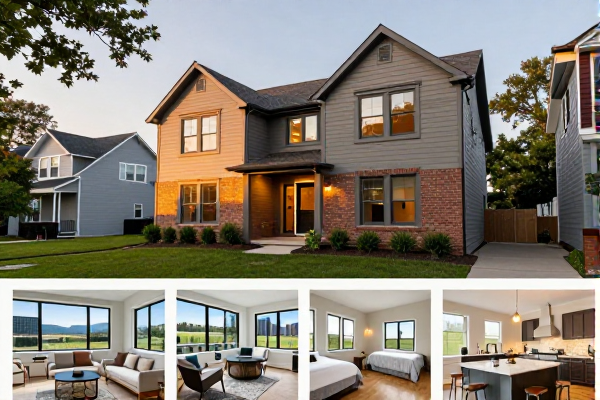
In summary, a Nashville zip code is more than a mailing address; it is a key to understanding the local real estate landscape.