Browse

Log in / Register
 Share

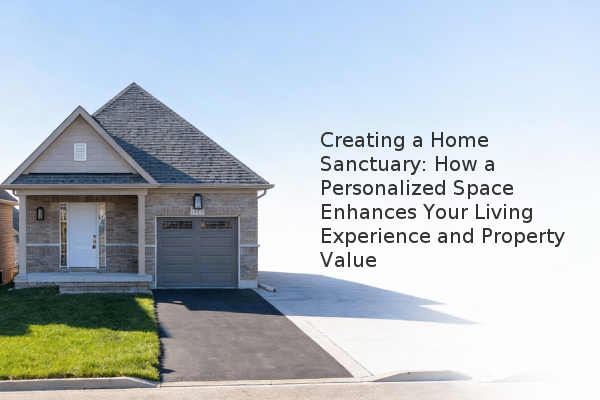
Creating a dedicated sanctuary within your home, like the custom Lego room featured in our case study, can significantly enhance your daily living experience and contribute to your property's unique character. Based on our experience assessment, a well-executed personal space balances passion with functionality, turning underutilized areas into valuable assets. This approach to home customization is a growing trend, with a focus on maximizing enjoyment and reflecting homeowner identity.
What Defines a Home Sanctuary and Why Does It Matter?
A home sanctuary is a personalized space designed for specific hobbies, relaxation, or entertainment. Unlike a standard room, its design is deeply intentional, reflecting the homeowner's passions. In the case of Jeff Pelletier, a restored 1902 Seattle box home gained immense personality by converting a musty basement into a multi-functional bar, media room, and LEGO display area. This kind of project goes beyond mere decoration; it's about creating an environment that draws out personal passion and improves quality of life. For homeowners, this translates into a more satisfying living experience and can make a property stand out in a competitive market.
How Can You Design a Multi-Functional Personal Space?
The key to a successful sanctuary is efficient space planning. The goal is to cram a lot of function into a relatively small area without feeling cluttered.
What is the Relationship Between Personalization and Property Value?
While highly niche customizations may not appeal to every buyer, a well-designed and finished space generally adds value. Transforming an unfinished basement into a comfortable, usable room typically increases a home's livable square footage, which is a key factor in property valuation. The broader lesson is that investing in your home to make it more enjoyable for you often results in improvements that have a positive financial return. The key is to ensure the work is done professionally and with quality materials.
What Are Common Challenges in Creating a Sanctuary?
The biggest challenge is often fitting everything in without compromising the room's flow. For Jeff, this meant designing the entire floor's layout around a specific storage system. Another common consideration is future accessibility; he noted that a library ladder, initially ruled out, would have been a beneficial addition for reaching higher storage. It's crucial to think long-term about how the space will be used to avoid minor regrets.
Practical Advice for Creating Your Own Home Sanctuary
Based on this case study, here are actionable tips for embarking on a similar project:
Ultimately, life is too short to live in a house that doesn't feel like a true home. Taking the time to create a space that is uniquely yours is an investment in your personal well-being that can also enhance your property's appeal.