Browse

Log in / Register
 Share

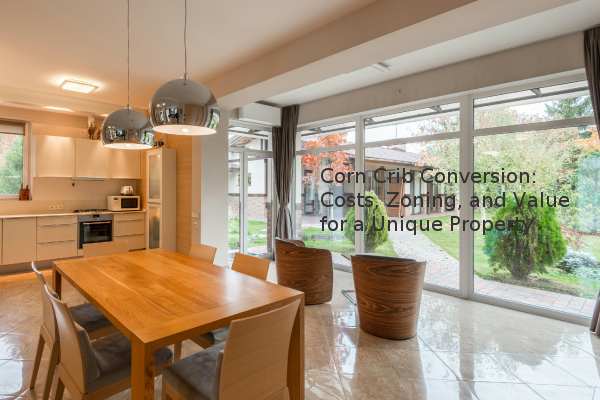
Converting a corn crib, a traditional agricultural storage structure, into a livable space is a unique real estate opportunity that requires navigating specific costs, zoning regulations, and structural considerations. While challenging, a successful conversion can result in a highly distinctive and valuable property, often appealing to buyers seeking character and history. The core conclusion is that the feasibility hinges on three factors: the existing structure's soundness, local zoning ordinances (local laws regulating land use), and a budget that accommodates unexpected expenses, typically ranging from $75,000 to $200,000 or more.
A corn crib is a slatted-bin structure historically used for drying and storing ears of corn. Its distinctive design, featuring gaps between wooden slats for air circulation, makes it an architecturally interesting candidate for conversion. The primary motivation for such a project is the creation of a one-of-a-kind home, often within a rural or semi-rural setting. Unlike new construction, a corn crib offers inherent historical charm and a robust, simple frame. However, the initial assessment must be brutally honest. Key considerations include the foundation's integrity, the presence of rot or pest damage, and the overall stability of the timber frame. Engaging a qualified structural engineer for an initial inspection is a critical first step before any financial commitment.
Before purchasing a corn crib with conversion in mind, thoroughly investigating local zoning ordinances is non-negotiable. The property's current zoning designation may strictly prohibit residential use. You will likely need to apply for a zoning variance (a request to deviate from current zoning rules) or a change in zoning, which can be a lengthy, public process with no guarantee of approval. Local building departments will require permits for all structural, electrical, and plumbing work. The International Residential Code (IRC) will serve as the baseline for safety standards. A significant hurdle is bringing the structure up to modern code requirements for insulation, egress windows, and energy efficiency, which can be particularly challenging with a non-standard building form. Based on our experience assessment, consulting with a local real estate attorney or land-use consultant early can prevent costly mistakes.
The financial investment for a corn crib conversion is substantial and often exceeds initial estimates. Costs are highly variable but generally fall within a wide range. Major expense categories include:
| Cost Category | Estimated Range | Key Considerations |
|---|---|---|
| Structural Stabilization | $20,000 - $60,000 | Foundation repair, frame reinforcement, new roof. |
| Enclosure & Insulation | $15,000 - $40,000 | Installing weather-tight walls/ windows within slats, spray foam insulation. |
| Utilities (Mechanical) | $25,000 - $60,000 | Well/septic or city hookups, HVAC, electrical, plumbing. |
| Interior Finishes | $15,000 - $40,000+ | Flooring, drywall, kitchen, bathroom. |
| Total Estimated Cost | $75,000 - $200,000+ | Highly dependent on location, size, and condition. |
The process involves securing financing (which can be difficult for unconventional projects), detailed architectural plans, the sequential work of foundation, framing, mechanicals, and finally, interior finishes. Contingency funds of at least 15-20% of the total budget are essential for addressing unforeseen issues like soil problems or additional structural repairs.
The impact on property value is the most unpredictable aspect. A well-executed conversion can create a "trophy property" that commands a premium from the right buyer, potentially yielding a high return on investment. However, the market for such unique homes is niche. The appraised value may not fully reflect the total money invested, as appraisers use comparable sales ("comps"), and finding similar converted agricultural properties can be difficult. This can create a gap between the project's cost and the final market value. It is crucial to view the project primarily as a labor of love for creating a custom home rather than a straightforward financial investment.
To maximize your chances of success, start with a professional structural inspection and zoning review before purchase. Secure detailed contractor bids and ensure your budget includes a significant contingency fund. Ultimately, a corn crib conversion is a complex but rewarding path to a truly unique property.