Browse

Log in / Register
 Share
Share
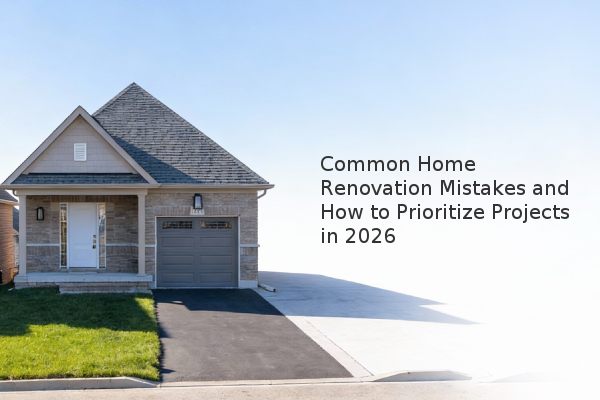
Based on our experience assessment, the most frequent and costly home renovation errors stem from inadequate planning and misallocated budgets. Prioritizing high-traffic areas like kitchens and bathrooms often delivers the best return on daily enjoyment and long-term value. This guide outlines a practical approach to avoiding common pitfalls and making strategic upgrade decisions for your home in 2026.
What is the most common mistake during home renovations? The most prevalent error homeowners make is beginning demolition without a full understanding of the project's scope. A common scenario involves opening a wall to investigate its structure, only to discover complex issues with plumbing, electrical systems, or the discovery that it is a load-bearing wall (a wall that supports the weight of the structure above it). This can lead to unexpected costs, significant delays, and potential safety hazards. Proper planning, including consulting with a structural engineer or qualified contractor before any demolition, is crucial to avoid these setbacks.
How can you save money on a renovation without sacrificing quality? With construction material and labor costs remaining high, achieving value is more critical than ever. The key is to invest in quality materials and quality builders. While opting for the lowest bid can be tempting, it often results in subpar workmanship that requires costly repairs later. Focus your budget on durable, long-lasting materials for elements that receive heavy use. For other aspects, consider where you can achieve a high-end look with less expensive alternatives, such as using luxury vinyl plank flooring that mimics hardwood.
What rooms or projects should you prioritize for a renovation? A practical strategy is to prioritize the rooms you use the most. While it might be appealing to focus on formal spaces like dining rooms that guests see, your daily quality of life is more impacted by high-traffic areas. The kitchen, where families gather daily, and primary bathrooms are typically the most impactful spaces to upgrade. Investing in these areas enhances your everyday routine and can contribute significantly to your home's resale value. Guest rooms and formal living areas can be addressed later in the renovation timeline.
What should you consider when choosing new lighting or ceiling fans? Selecting light fixtures and ceiling fans involves both aesthetic and functional decisions. First, decide if you want the fixture to be a focal point or to blend seamlessly with the ceiling. A contrasting color creates a statement, while a matching color allows it to recede visually. Second, determine if you need an integrated light kit (an assembly that includes bulbs and shades attached to a ceiling fan). If the room has sufficient other light sources, a fan without a light kit may be sufficient and more streamlined. For a cohesive look in open-concept spaces, coordinate the metal finishes—like brushed nickel or matte black—across all light fixtures.
What is the biggest lesson from failed renovation projects? The overarching lesson is that proactive maintenance and addressing small issues promptly can prevent major, costly disasters. Neglecting minor problems, like a small plumbing leak, can lead to systemic failures. For instance, compromised plumbing can eventually result in severe water damage, requiring extensive remediation. Regular home maintenance is a non-negotiable aspect of homeownership that protects your investment. When a major issue does occur, view it as an opportunity to upgrade rather than simply replacing with the same substandard materials, provided your budget allows.
Ultimately, successful renovation hinges on strategic planning and focusing on what truly improves your daily life. By avoiding impulsive demolition, investing in quality where it counts, and starting with the spaces you use most, you can navigate the challenges of the 2026 market. Addressing small maintenance issues early is the most effective strategy for preventing large-scale "wrecks" and protecting the value of your home.