Browse

Log in / Register
 Share
Share

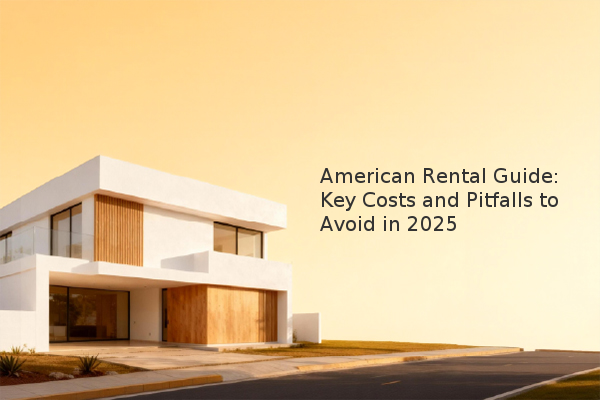
A "Cloud House" is a modern architectural style characterized by its use of lightweight, often white materials, open floor plans, and expansive glass to create a living space that feels airy, bright, and connected to the sky. For prospective buyers, this niche property type involves unique financial and logistical considerations, with prices typically ranging from $750,000 to over $2 million depending on location, size, and architect. This guide provides an objective overview of the Cloud House market to inform your decision-making process.
The core principle behind a Cloud House is the minimization of visual weight. This is achieved through specific design elements. Curvilinear forms and cantilevered sections are common, creating the illusion that the structure is floating. The extensive use of glass walls not only floods the interior with natural light but also blurs the boundary between indoors and outdoors. From a real estate perspective, these homes are often classified as high-end contemporary properties. Key features include flat or low-slope roofs, minimalist interiors, and a focus on sustainable materials. It is crucial to understand that "Cloud House" is a descriptive term rather than a formal legal classification like a Condominium (Condo); your property's deed will describe it as a single-family home.
The specialized nature of Cloud House construction significantly impacts its cost and value. The table below outlines typical cost drivers compared to a traditional home.
| Cost Factor | Cloud House | Traditional Home |
|---|---|---|
| Architectural Fees | Higher due to custom, complex design | Standard or moderate fees |
| Materials | Premium (e.g., custom glass, steel) | Standard (e.g., wood frame, brick) |
| Construction Labor | Requires specialized skills, increasing cost | Readily available labor pool |
| Property Taxes | Based on high appraised value | Based on standard market value |
Given the high initial investment, securing a Mortgage may require a jumbo loan, which often has stricter credit and down payment requirements. While these properties can be appreciating assets in desirable markets, their highly specific design may limit the pool of potential buyers in the future, affecting resale liquidity.
Whether you are buying an existing Cloud House or commissioning a new build, the process demands careful due diligence. For existing homes, a standard home inspection is insufficient. You must hire an inspector experienced with modern materials and complex structural systems. For new construction, your Purchase Agreement should be meticulously detailed, specifying exact materials, engineering standards, and the architect's oversight responsibilities. It is also essential to investigate local zoning laws, as the unique footprint and height of a Cloud House may require special permits. Always secure Title Insurance to protect against any ownership claims on the property.
Understanding the distinct characteristics and financial implications of a Cloud House is the first step in determining if this unique property type aligns with your goals and budget. By focusing on the objective factors of cost, construction, and market dynamics, you can make a well-informed real estate decision.