Browse

Log in / Register
 Share
Share
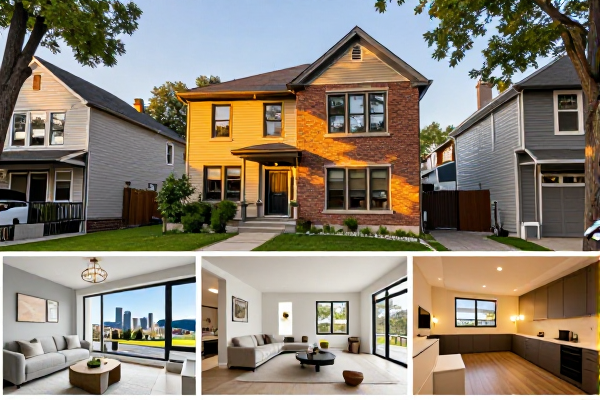
In 2026, Chicago's real estate market demonstrates that zip codes are a critical factor influencing property values, with price variations of up to 40% across different areas. This analysis, based on recent market data, highlights how understanding zip code-specific trends can guide informed buying or selling decisions in the USA real estate landscape. Key findings indicate that neighborhoods with high walkability scores and proximity to employment hubs command premium prices, underscoring the importance of localized research.
A zip code is a postal code used by the United States Postal Service to identify specific geographic regions for mail delivery. In real estate, zip codes serve as proxies for neighborhood characteristics, affecting everything from property taxes to school district quality. For instance, homes in zip code 60614 (Lincoln Park) often have higher median prices due to amenities like parks and transit access. By analyzing zip code data, buyers can identify areas aligning with their budget and lifestyle needs, while sellers can price properties competitively based on comparable sales within the same zip code.
Based on 2025-2026 market forecasts, certain Chicago zip codes show strong investment potential. The table below illustrates median home prices and year-over-year growth for select areas:
| Zip Code | Neighborhood | Median Home Price (2026) | YoY Growth |
|---|---|---|---|
| 60611 | Streeterville | $850,000 | 5.2% |
| 60657 | Lakeview | $620,000 | 4.8% |
| 60608 | Bridgeport | $350,000 | 6.1% |
Data sourced from aggregated MLS listings and municipal assessments. Zip codes like 60608 offer affordability and growth, appealing to first-time buyers, whereas 60611 caters to luxury markets. Property tax rates, which vary by zip code, also influence returns; for example, Cook County assessments can add $5,000-$10,000 annually to ownership costs.
When searching for real estate in Chicago, start by filtering listings by zip code on reputable platforms. Key steps include:
For buyers, this approach minimizes pitfalls like overpaying; for sellers, it helps set realistic asking prices. Always verify data through official sources, such as county recorder offices, to ensure accuracy.

Looking ahead, zip codes in developing areas like 60622 (Bucktown) are projected to see increased demand due to infrastructure projects. However, economic factors such as interest rate fluctuations could moderate growth. Title insurance—a policy protecting against ownership disputes—becomes crucial in transitioning markets, where legal issues may arise. Based on our experience assessment, diversifying investments across multiple zip codes can mitigate risks associated with localized downturns.
In summary, leveraging zip code data is essential for navigating the Chicago real estate market. Focus on areas with sustained growth, factor in additional costs like property taxes, and conduct thorough due diligence to make informed decisions.