Browse

Log in / Register
 Share

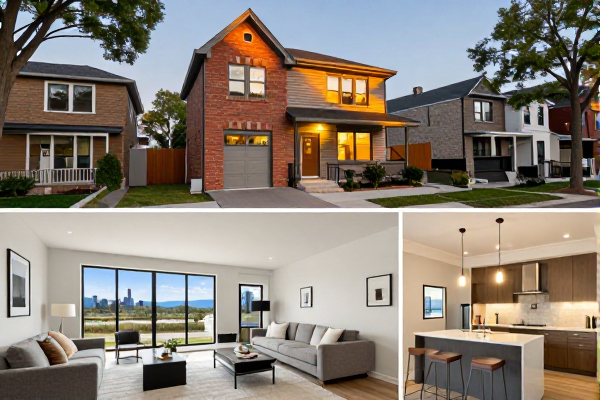
The Chicago IL Loop real estate market in 2026 continues to be a prime destination for investors, luxury condo buyers, and renters seeking an unparalleled urban lifestyle. Based on our experience assessment, property values in The Loop are showing steady appreciation, driven by high demand for its central business district location, extensive public transit access, and cultural amenities. This guide provides an objective overview of the current market dynamics, including price trends, property types, and key considerations for navigating this unique downtown Chicago neighborhood.
The Loop is Chicago's central core, bounded by the Chicago River to the north and west, Lake Michigan to the east, and Roosevelt Road to the south. The market is predominantly composed of high-rise residential towers, offering a range of property types. Condominiums (Condos) are the most common, where owners hold title to their individual unit but share ownership of common areas. Conversely, a smaller number of Cooperative (Co-op) buildings exist, where residents own shares in a corporation that holds the building's title. The market is characterized by its high density, with a mix of newly constructed luxury developments and renovated historic buildings, creating a diverse inventory for potential buyers.
As of 2026, the median sale price for a condo in The Loop is approximately $650,000, with price per square foot averaging $750. Luxury units in new construction towers with premium finishes and amenities can command prices well over $1.5 million. The table below provides a snapshot of the current market:
| Property Type | Median Sale Price | Average Price per Sq. Ft. | Key Market Drivers |
|---|---|---|---|
| Condo (1 Bedroom) | $500,000 | $700 | Lake views, newer building amenities |
| Condo (2 Bedroom) | $850,000 | $725 | Proximity to Grant Park, square footage |
| Rental (1 Bedroom) | $2,900/month | - | Walkability to offices, building amenities |
These figures are influenced by factors such as building age, views, specific amenities (e.g., concierge, pools), and proximity to major attractions like Millennium Park. It's crucial to compare similar properties to gauge true value.
Purchasing real estate in The Loop involves specific considerations beyond standard home buying. A critical step is reviewing the homeowners association (HOA) documents and financials. HOA fees can be significant, often ranging from $700 to over $1,500 per month, covering building maintenance, security, and amenities. Buyers should also factor in Property Tax, an annual levy based on the assessed value of the property by Cook County. Securing Title Insurance is essential; this is a form of indemnity insurance that protects against financial loss from defects in a property's title. Given the high-density living, potential noise levels and construction activity from neighboring developments are also important practical factors to assess.
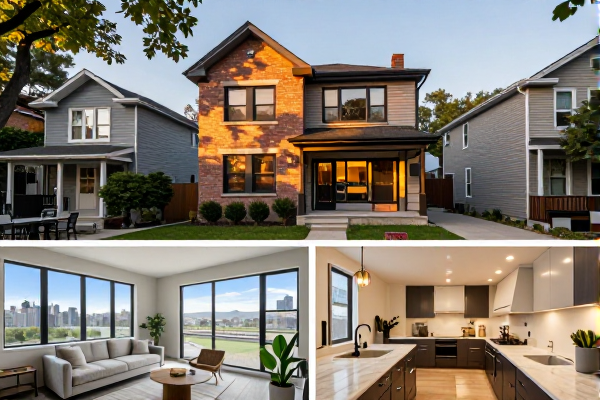
The Loop presents a strong case for rental investors due to constant demand from corporate transferees, students at nearby universities, and young professionals. The current rental vacancy rate remains low, supporting stable rental income. However, investors must carefully analyze the numbers. High HOA fees and property taxes can impact cash flow. Furthermore, Chicago's Residential Landlord and Tenant Ordinance (RLTO) imposes specific requirements on landlords, such as security deposit rules and notice periods for entry. A thorough understanding of these regulations is necessary for a successful and compliant investment.
Navigating the Chicago IL Loop real estate market requires a clear understanding of its unique dynamics. Key takeaways include: thoroughly review HOA finances, budget for significant property taxes and monthly fees, and work with a professional familiar with downtown high-rise transactions to ensure a smooth process.