Browse

Log in / Register
 Share

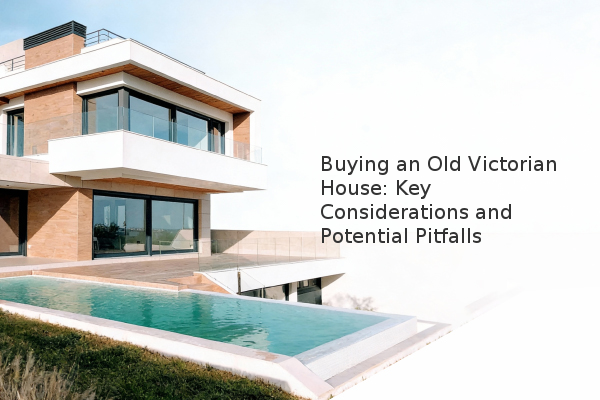
Purchasing an old Victorian house offers unique charm and historical character, but it requires a specialized approach to avoid costly mistakes. The core considerations involve comprehending the potential for structural issues, navigating modern building code compliance, and accurately budgeting for higher maintenance and energy efficiency upgrades. A thorough pre-purchase inspection by a specialist familiar with historical properties is not just recommended; it is essential for making an informed investment.
Victorian architecture refers to a collection of styles popular during the reign of Queen Victoria (1837-1901), characterized by ornate details, asymmetrical designs, and complex forms. Common features include steeply pitched roofs, decorative gables, gingerbread trim, and wraparound porches. Sub-styles like Italianate, Queen Anne, and Second Empire fall under this broad category. Understanding these architectural elements is the first step, as each may present specific maintenance challenges, from repairing intricate woodwork to maintaining multi-story bay windows.
The primary risks when buying an old Victorian house often lie beneath the surface. Older construction methods and decades of wear can lead to significant issues. Key areas of concern include:
The following table outlines potential issues and their implications:
| Potential Issue | Implication | Recommended Action |
|---|---|---|
| Knob-and-Tube Wiring | Fire hazard; may not be insurable | Budget for a full electrical system upgrade. |
| Lead Paint or Plumbing | Health hazard, especially for children | Professional testing and remediation. |
| Stone Foundation Settling | Structural instability | Evaluation by a structural engineer. |
Beyond the purchase price, owning a Victorian home requires a dedicated maintenance fund. Budgeting an additional 1-2% of the home's value annually for upkeep is a standard starting point, but for a historic property, this figure should be higher. Major expenses often include window restoration, repairing or replicating period-specific features, and improving energy efficiency. Original single-pane windows are a significant source of heat loss, but replacing them with modern vinyl units can diminish the home's historic value and character. A more sensitive approach, based on our experience assessment, is often to repair the original windows and add storm windows for insulation.
A standard home inspection is insufficient for a Victorian-era property. You must hire an inspector with specific expertise in historical homes. This specialist will assess the integrity of the foundation, framing, and unique architectural elements. They will also check for hazardous materials like lead-based paint and asbestos, which were commonly used in construction during that era. The inspection report will provide a realistic overview of the property's condition and create a prioritized list of necessary repairs, which is a powerful tool for negotiating the final sale price.
In conclusion, successfully buying an old Victorian house hinges on due diligence and realistic financial planning. The key takeaways are to secure a specialist inspection, prioritize essential structural and system upgrades over cosmetic changes, and establish a robust long-term maintenance fund. By accepting the home's historical nature while proactively addressing its age-related vulnerabilities, you can preserve its beauty and ensure it remains a safe and sound investment for years to come.