Browse

Log in / Register
 Share

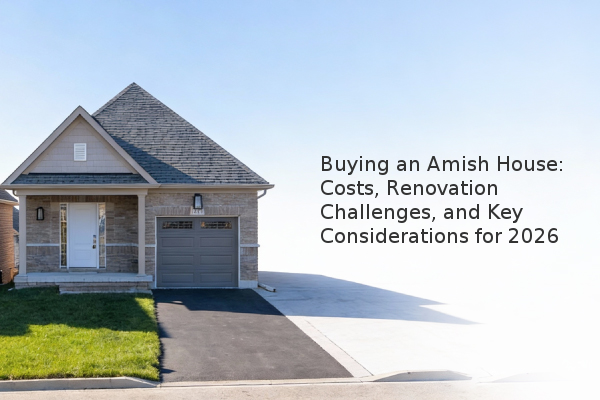
Purchasing an Amish home often appeals to buyers seeking a simpler lifestyle or a unique real estate project. However, the core reality is that converting a traditional Amish property into a modern residence requires a significant financial investment and a clear understanding of the challenges involved. Based on our experience assessment, the total renovation cost for adding essential utilities like electricity and plumbing can range from $80,000 to $100,000 or more, often doubling the initial purchase price. This article outlines the key factors, potential hidden costs, and important lifestyle considerations for anyone contemplating such a purchase in 2026.
The most substantial expenses involve installing fundamental utilities that are typically absent. A traditional Amish home avoids connections to public power grids and may rely on alternative methods for water and waste.
These primary renovations form the baseline budget, but several hidden challenges can further escalate expenses.
Beyond the obvious installations, buyers often encounter unforeseen complications that impact both timeline and cost.
A critical first step is to determine the distance to the nearest electrical pylon, as running power lines over miles can be prohibitively expensive. Furthermore, the existing septic system may have been installed without modern permits or engineering plans, requiring a full assessment and potential replacement. The remote location of many Amish properties can also make it difficult to find qualified contractors willing to take on the project, potentially leading to higher labor bids. Finally, the structural layout of an Amish home is not designed for internal utilities, meaning walls may need to be torn out and rebuilt, adding to the complexity and cost.
Yes, the Amish real estate market is diverse. Some properties, often previously owned by "English" (non-Amish) families or built by Amish individuals in the building trade, may include more amenities.
The location is more than just the house; it integrates you into a unique cultural environment. Prospective buyers should consider the day-to-day realities of life in an Amish area.
The rural setting offers peace but also means sharing the road with horse-drawn buggies, which can slow traffic, and being aware of manure on roadways. The Amish community is also active, and it's common to hear sounds associated with agricultural life and community gatherings. Understanding and respecting the local customs is essential for harmonious integration into the neighborhood.
Purchasing an Amish home is a major project that goes beyond a typical fixer-upper. To make an informed decision, focus on these actionable steps:
While the charm is undeniable, a successful purchase depends on thorough due diligence and realistic financial planning. Understanding the full scope of work required will help you determine if the journey to a simpler life is a worthwhile investment for you.