Browse

Log in / Register
 Share

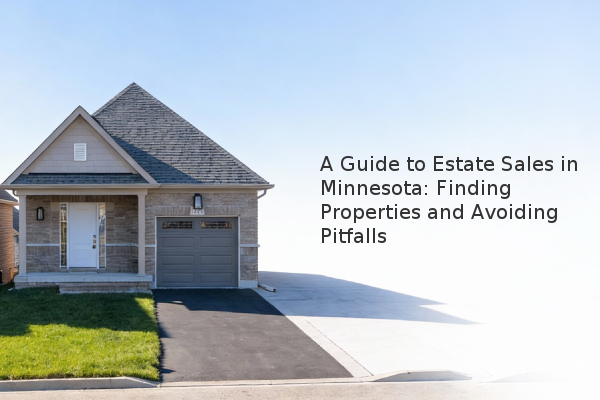
Estate sales in Minnesota offer a unique opportunity for buyers to acquire real estate, often with furnishings included, but they require a distinct approach compared to traditional home purchases. Navigating an estate sale in Minnesota involves understanding probate law, conducting thorough due diligence, and moving quickly in a competitive market. This guide provides a factual overview of the process, from finding listings to closing on a property, based on common procedures within the state.
In real estate, an estate sale occurs when a property is sold as part of the administration of a deceased person's estate. This is different from a typical sale because the executor or personal representative, not the former homeowner, manages the transaction. The process is often governed by probate law, which is the legal process of validating a will and distributing assets. In Minnesota, if the estate's value exceeds a certain threshold, a formal probate process is typically required. The goal of the sale is to liquidate the asset to pay off debts, taxes, and then distribute any remaining proceeds to the heirs. These properties can sometimes be priced competitively, but they are almost always sold "as-is."
Locating these properties requires looking beyond standard Multiple Listing Services (MLS). Prospective buyers should monitor specialized estate sale company websites and local auction house listings. Many estate sales are handled by companies that specialize in liquidating personal property; they often list real estate assets on their sites. Furthermore, establishing contact with probate attorneys or trust officers at local banks can provide leads on properties that may not be widely marketed. It's also advisable to check public probate court records in counties of interest, as the appointment of an executor is a matter of public record, signaling a potential future sale.
| Method | Description | Consideration |
|---|---|---|
| Estate Sale Companies | Firms that handle the liquidation of a deceased's belongings often list the property itself. | Listings may be exclusive and not on the MLS. |
| Probate Attorneys | Legal professionals who manage the estate process. | Direct inquiries may yield off-market opportunities. |
| Public Court Records | Reviewing new probate case filings in your target county. | Requires proactive effort and understanding of legal notices. |
The primary rule when considering an estate sale property is to manage expectations regarding condition and negotiation. Purchasing a property "as-is" means the seller will not make repairs, placing the burden of due diligence entirely on the buyer. A rigorous home inspection is non-negotiable. The property may have deferred maintenance or outdated systems that the deceased owner was unable to address. Additionally, because the executor's duty is to the estate's beneficiaries, there is typically less room for price negotiation than with a traditional seller. The closing timeline can also be longer, as the executor may need court approval to finalize the sale.
The buying process shares similarities with a standard transaction but has unique legal steps. After an offer is accepted, the buyer enters a due diligence period. It is critical to secure title insurance, as issues with the deed or ownership history can arise with inherited property. The title company will perform a search to ensure the estate has clear legal authority to sell. Once due diligence is complete and financing is secured, the transaction moves toward closing. The executor will sign the closing documents on behalf of the estate. According to recent assessments of Minnesota probate courts, this approval step can add several weeks to the closing timeline compared to a standard sale.
To proceed effectively with an estate sale purchase in Minnesota, buyers should: secure financing pre-approval, hire a real estate attorney experienced in probate transactions, and budget for immediate repairs. This methodical approach helps mitigate the inherent risks and positions a buyer to capitalize on a potential market opportunity.