Browse

Log in / Register
 Share

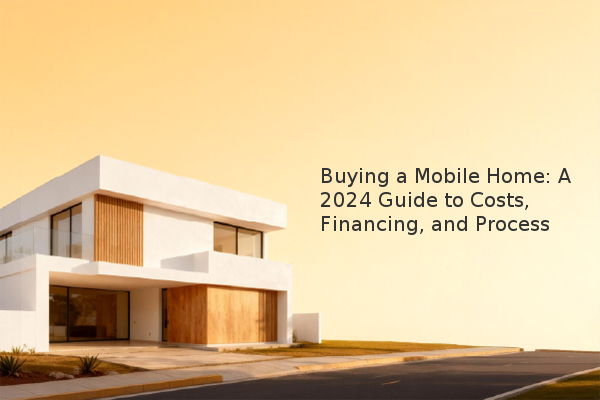
Buying a mobile home is a distinct process that differs significantly from purchasing a traditional single-family house. The primary advantage is affordability; as of March 2024, the average cost of a new single-section manufactured home was $82,900, compared to over $361,000 for a typical site-built home. However, this path involves unique financing options, land considerations, and insurance requirements. This guide provides a clear, step-by-step overview of the entire process, from budgeting to move-in.
The terms "mobile home" and "manufactured home" are often used interchangeably, but they refer to different construction standards. A mobile home specifically denotes a factory-built home constructed on a permanent chassis before June 15, 1976. A manufactured home is built after that date and must adhere to the stricter federal Manufactured Home Construction and Safety Standards (HUD Code). This change in terminology and standards was also an effort to improve the perception of factory-built homes, which were historically stigmatized as low-quality. Both types are prefabricated homes, meaning they are built off-site in a factory. They are available in single-section (single-wide) or multi-section (double-wide) models.
The journey to owning a mobile home involves careful planning and specific actions.
1. Determine Your Realistic Budget Beyond the home's sticker price, you must account for several other costs. Site preparation expenses include ground leveling, pouring a foundation, and installing utilities. You'll also face delivery and assembly fees, utility hookup costs, mobile home insurance, and property taxes. The following table illustrates how average costs vary by region:
| Region | Average Cost (Single-Wide) | Average Cost (Double-Wide) |
|---|---|---|
| Northwest | $85,200 | $141,600 |
| Midwest | $86,200 | $142,400 |
| South | $82,000 | $140,900 |
| West | $83,000 | $170,300 |
Source: Industry data, March 2024
2. Choose a Location and Land Arrangement A critical decision is whether to place your home in a manufactured home community (MHC) where you rent the lot, or on land you own. If you choose private land, you must verify local zoning laws allow manufactured homes. Key considerations include proximity to schools, work, healthcare, and other essential amenities.
3. Secure the Right Financing Traditional mortgages are not always available for mobile homes. Based on our experience assessment, common financing routes include:
4. Prepare the Home Site If you're using vacant land, site preparation is essential. This process involves obtaining permits, leveling the ground, installing a foundation, and connecting water, sewer, electricity, and gas lines. This must be completed before the home is delivered.
5. Obtain Mobile Home Insurance Standard homeowners insurance does not apply. You need a specific policy that includes dwelling coverage (for the structure), personal property coverage (for your belongings), liability coverage (for accidents on your property), and coverage for other structures like sheds. Note that flood and earthquake damage are typically excluded and require separate policies.
6. Arrange for Delivery and Installation The timeline from factory order to installation can take several months. Installation itself usually takes one to two days. Coordinate closely with the manufacturer to ensure your site is ready and financing is in place for a smooth move-in.
Pros:
Cons:
Buying a mobile home requires a clear understanding of the total costs, a strategic approach to financing, and careful attention to land placement and insurance. By thoroughly researching each step, you can make an informed decision about whether this affordable path to homeownership aligns with your financial goals and lifestyle needs.