Browse

Log in / Register
 Share
Share
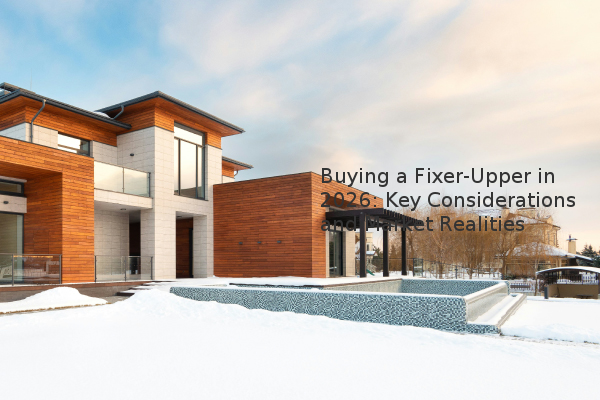
Purchasing a fixer-upper in 2026 requires a cautious approach due to persistent market volatility and renovation challenges. While the appeal of customizing a home remains, factors such as elevated material costs, complex supply chains, and the importance of thorough due diligence significantly impact feasibility. A successful project hinges on a realistic budget that includes a substantial contingency fund for unexpected issues, which are common in older homes.
Material costs, while stabilizing in some areas, remain high compared to pre-pandemic levels due to ongoing supply chain complexities. Key building components like lumber, windows, and plumbing fixtures can swiftly consume a renovation budget. Based on our experience assessment, creating a detailed budget with line items for each project phase is critical. It is advisable to obtain multiple quotes from licensed contractors and factor in potential price increases between the time of estimation and project commencement. Unforeseen structural problems often require immediate, unplanned purchases, making financial flexibility essential.
A professional home inspection is a critical step when considering a fixer-upper. An inspector assesses the property's condition, from the foundation to the roof. However, inspections have limitations; problems hidden behind walls, such as faulty wiring or plumbing, may not be visible. This is why it is vital to hire an inspector experienced with older homes. They are more likely to identify red flags like outdated electrical systems (e.g., knob-and-tube wiring) or compromised plumbing materials, such as polybutylene pipes, which are prone to failure. Always review the inspector's report thoroughly before waiving any contingencies.
Older homes may contain materials that are now known health hazards. A common issue is lead-based paint, which was banned for residential use in the United States in 1978. Any home built before 1978 is presumed to have lead-based paint, posing risks during renovations that create dust. Another concern is asbestos, often found in insulation and vinyl floor tiles from mid-century homes. While not harmful if undisturbed, renovation work can release dangerous fibers. Testing for these hazards before purchase provides a clear understanding of remediation costs, which can be substantial and require specialized abatement professionals.
The popularity of home renovation shows and a competitive housing market have increased demand for properties with renovation potential. This often means that the "discount" for a fixer-upper is less significant than in previous years. In many markets, buyers are paying a premium for the opportunity to customize, which can narrow the potential for profit or equity gain. It is crucial to analyze recent sales of comparable renovated homes in the area to ensure the purchase price plus estimated renovation costs does not exceed the neighborhood's value ceiling. Over-improving a property for its location is a common financial misstep.
To navigate the process successfully, consider these actionable steps:
Ultimately, buying a fixer-upper can be a rewarding path to homeownership, but it demands careful planning, a robust budget, and realistic expectations about the challenges involved in 2026.