Browse

Log in / Register
 Share
Share
The United States is facing a critical shortage of over 7 million affordable homes, a deficit that now severely impacts the middle class in every state, from major metros to rural towns. According to former HUD Secretary Adrianne Todman, the market's focus on luxury construction over starter homes is a primary driver of this crisis. This article explains the scale of the affordability gap, the economic incentives leading builders away from entry-level homes, and the potential impact of recent legislative efforts that failed to pass.
What is Causing the National Affordable Housing Shortage?
The core of the problem is a simple mismatch between supply and demand. Data from the National Low Income Housing Coalition highlights a deficit of more than 7 million affordable rental homes available to extremely low-income families. This shortage is not confined to expensive coastal cities. As Todman noted, affordability issues are acute in places like Boise, Idaho, and Salina, Kansas, areas previously insulated from such market pressures. The fundamental issue is that for many builders, constructing luxury properties—homes with higher profit margins—is what makes financial sense, or "what pencils out." There is a notable lack of strong financing tools and incentives to encourage construction geared toward middle and working-class income levels.
How Did the Build Back Better Act Aim to Address the Crisis?
In late 2021, a significant legislative effort, the Build Back Better Act, was passed by House Democrats. This $1.75 trillion social spending bill earmarked approximately $150 billion for the Department of Housing and Urban Development (HUD). The funding was designed to bolster existing programs like public housing, Housing Choice Vouchers (commonly known as Section 8), and the Housing Trust Fund. It also proposed creating new loan programs and community revitalization funds. The goal was to provide state and local governments with substantial resources to increase the supply of affordable units. However, the bill failed to gain the necessary support in the Senate and was effectively "torpedoed," halting a potentially major federal intervention.
What Does the Focus on Luxury Homes Mean for Buyers?
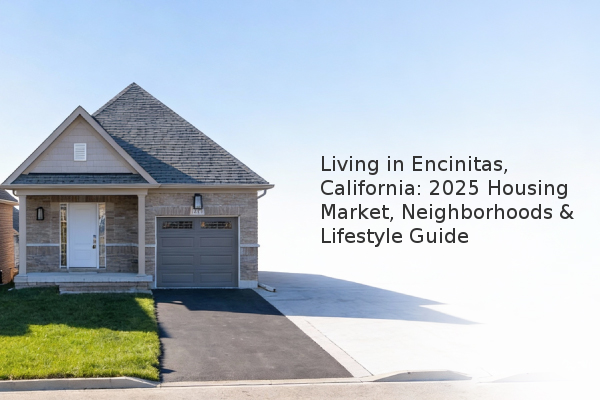
The construction industry's pivot toward luxury housing has direct consequences for the market. When builders focus on high-end properties, the supply of starter homes—typically smaller, more affordable properties suited for first-time buyers—dwindles. This creates a chain reaction: without attainable entry-level options, potential first-time homeowners remain in the rental market, increasing rental demand and prices. This cycle exacerbates affordability challenges across the board, making it difficult for families to build equity through homeownership.
What is the Path Forward for Affordable Housing?
Based on expert assessment, solving the affordability crisis will likely require a combination of market forces and targeted intervention. Todman emphasized that while the market often self-corrects, "every now and then there does need to be an intervention." The key is to create incentives that make building for the middle and working classes financially viable for developers. This could include tax credits, zoning reforms, and new financing mechanisms. The failure of the Build Back Better Act underscores the political challenges, but the persistent nature of the crisis keeps the need for a solution at the forefront.
The ongoing national housing shortage requires a multi-faceted solution that incentivizes the construction of affordable starter homes. While legislative efforts have faced obstacles, the scale of the problem—a deficit of over 7 million homes—demands continued attention from both the public and private sectors. For prospective buyers, understanding that the shortage is a systemic issue, not a personal failing, is crucial. The market's current trajectory suggests that without significant policy changes, affordability will remain a pressing challenge for Americans in all states.