Browse

Log in / Register
 Share

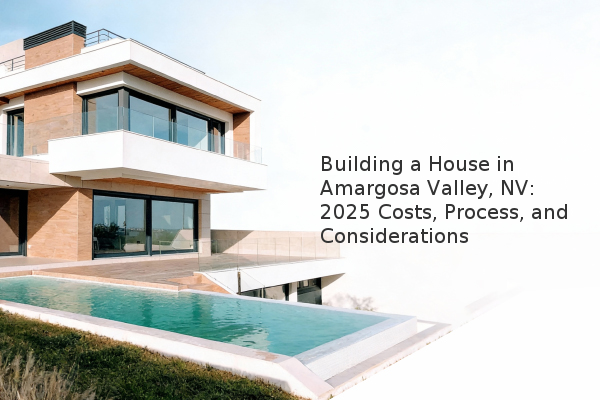
Building a home in Amargosa Valley, Nevada, presents a unique opportunity for affordable land ownership and custom home creation in a quiet, rural setting. Based on our experience assessment, the primary advantages include lower land costs compared to urban Nevada and the freedom of a custom build, while the key challenges involve navigating Nye County's specific building codes, securing specialized contractors, and managing higher utility and infrastructure costs. The total cost to build a single-family home typically ranges from $250,000 to $400,000+, heavily influenced by the chosen home size, materials, and the need for off-grid systems.
The process for constructing a home in Amargosa Valley is governed by Nye County regulations. The first step is due diligence on your land parcel. This involves confirming property boundaries and, crucially, verifying access to water and power. Many lots may require a water hauling service and an off-grid solar power system, which are significant upfront costs. You must then submit detailed building plans to the Nye County Building Department for permits. The county will review plans for compliance with zoning laws, setback requirements (the minimum distance a structure must be from property lines), and the International Building Code (IBC). Once permits are secured, the construction phase begins with site preparation, foundation pouring, and the sequential work of framers, electricians, plumbers, and other tradespeople, culminating in a final county inspection for an occupancy certificate.
Construction costs in rural areas like Amargosa Valley are often higher per square foot than in metropolitan areas due to increased material transportation expenses and a smaller pool of labor. As of 2025, building costs can range from $150 to $250 per square foot. This wide range depends on the quality of finishes and the complexity of the home's systems. For example, a basic 1,500-square-foot home might cost around $225,000, while a larger 2,000-square-foot home with higher-end amenities could exceed $400,000. The table below outlines potential cost breakdowns for a 2,000 sq. ft. home.
| Cost Component | Estimated Cost Range | Notes |
|---|---|---|
| Land Acquisition | $10,000 - $50,000 | Varies by parcel size and location. |
| Site Preparation | $10,000 - $30,000 | Includes grading and well/septic or alternative systems. |
| Construction (per sq. ft.) | $150 - $250 | Highly dependent on materials and labor. |
| Permits & Fees | $5,000 - $15,000 | Nye County building permits and impact fees. |
| Total Estimated Cost | $275,000 - $545,000 |
Prospective builders must thoroughly investigate utility availability. While some areas may have access to a municipal water district, many properties rely on well water or water delivery services. The cost of drilling a well can be substantial. Similarly, power is often provided by Valley Electric Association (VEA), but remote parcels might require expensive power line extensions, making solar with battery backup a more viable option. Septic systems are standard for wastewater treatment and must be designed and approved by the county health department. Internet service is primarily available through satellite providers or limited DSL, which is an important consideration for remote workers.
Selecting a reputable builder with experience in Nye County is critical. Obtain multiple bids and check references for past projects in the area. Look for a builder familiar with the specific challenges of the Mojave Desert environment, such as extreme heat and soil conditions. Regarding financing, a construction-to-permanent loan is a common product that covers the building costs and then converts into a standard mortgage upon completion. Be prepared for a more rigorous loan application process, as lenders will scrutinize the building plans, budget, and the builder's credentials more closely than with a traditional home purchase.
Building in Amargosa Valley offers a path to a custom home on affordable land, but it requires careful planning and realistic budgeting. Key takeaways include: thoroughly investigating land parcel utilities before purchase, obtaining multiple detailed bids from local builders, and securing financing specifically designed for construction. Always factor in a contingency fund of at least 10-15% for unexpected expenses, which are common in rural building projects. Success hinges on understanding and navigating the unique infrastructural and regulatory landscape of this part of Nevada.