Browse

Log in / Register
 Share
Share

Belgian modern design is an interior design style that can enhance a home's aesthetic appeal and potentially its market value. This style emphasizes natural materials, a neutral color palette, and a serene, uncluttered atmosphere. Based on our experience assessment, incorporating elements of this design philosophy can make a property feel more spacious and inviting to potential buyers. The core principles of Belgian modern design—simplicity, texture, and a connection to nature—align with current real estate trends favoring move-in-ready homes with timeless appeal. This guide explains the key features of this style and its relevance for homeowners.
Belgian modern design is an interior style characterized by spare rooms filled with natural and worn materials. It often includes elements like stone floors, distressed oak furnishings, mottled plaster walls, and heavy linens in neutral colors. The style combines the warmth of a modern farmhouse with the simplicity of minimalism, creating a versatile look that can be adapted to many home decors. Its emphasis on biophilic design, which is an approach that seeks to connect occupants more closely to nature, contributes to a calming environment. This versatility makes it a practical choice for homeowners looking to update their space without undertaking a major renovation.
While no design trend can guarantee a specific increase in property value, certain aesthetics have broader market appeal. The neutral and minimalist nature of Belgian modern design helps potential buyers visualize themselves in the space, which is a significant advantage during showings. Features like natural light, uncluttered surfaces, and high-quality, natural materials are consistently attractive in the real estate market. Focusing on these timeless elements, rather than fleeting trends, is a more predictable strategy for maintaining and enhancing a home's value over time.
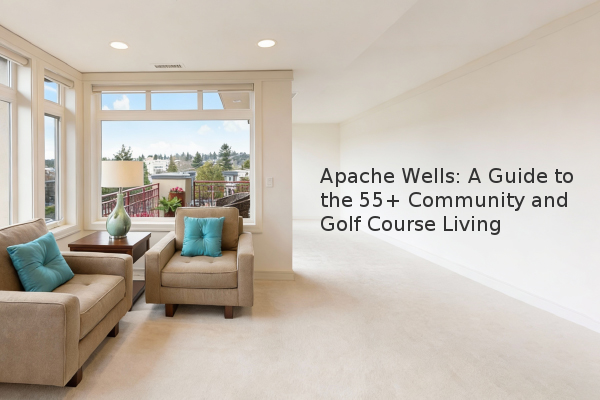
The color scheme is foundational to achieving this look. It primarily features warm, pale, and neutral tones ranging from whites and off-whites to browns and grays. Accent colors might include celadon, sage, and pale lavender. This palette is often described as "washed out," reflecting the colors of natural elements like wood, stone, and water. The strategic use of bold color accents, such as vivid teal or orange in small doses like throw pillows, can keep the design from appearing too monotonous. This approach creates a restful and soothing aesthetic that appeals to a wide audience.
In an otherwise neutral and plain theme, texture becomes the star. Key contributors include nubby rugs, softly worn upholstery, and the visible natural grain of wood floors or furnishings. Incorporating a variety of textures through sisal rugs, linen slipcovers, and ceramic accessories adds depth and visual interest without relying on color. This layered approach to texture makes a room feel more inviting and lived-in, which can enhance the overall perceived quality and comfort of a home.
The furniture style is simple and often draws inspiration from farmhouse pieces. Think low-slung sofas, distressed wood tables, and a mix of antique and modern elements. The goal is a serene mood, which allows for a variety of furnishings as long as they share a common simplicity. A successful combination might involve a high-back wing chair in velvet next to a modern leather sofa. The key is to select pieces with clean lines and quiet profiles that emphasize form and material over ornate details.
To incorporate this style into your home, consider these practical steps: