Browse

Log in / Register
 Share
Share
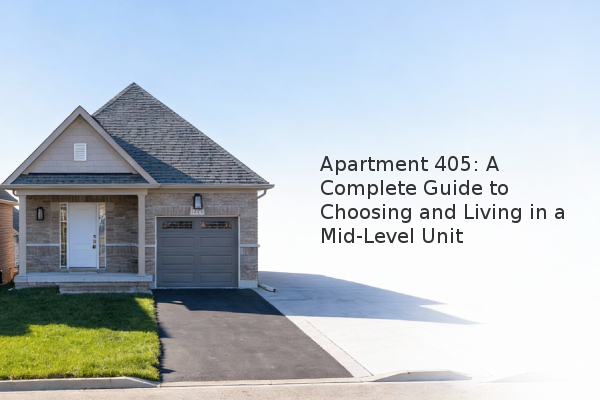
Choosing a specific apartment unit, like #405, involves understanding the practical implications of its floor and position within the building. This guide provides an objective assessment of living in a mid-level unit such as 405, covering key factors from noise levels and views to move-in logistics and safety. The core advantage of a fourth-floor apartment like 405 is its optimal balance between accessibility, views, and noise reduction, typically offering a quieter environment than lower floors while avoiding the potential premium costs and elevator dependency of penthouse levels.
Apartments on the fourth floor, often considered a mid-level unit, position residents above the immediate street-level bustle. This elevation generally reduces noise from foot traffic, lobbies, and street activity. From a security perspective, windows and balconies on this floor are less accessible from the ground than a first or second-floor unit. Furthermore, units on this level often benefit from better natural light and airflow compared to lower floors, potentially leading to lower energy costs for cooling. However, it's essential to assess the building's amenities, specifically the elevator's reliability, as climbing four flights of stairs with groceries or moving furniture can be a significant consideration.
Before committing to apartment 405, a thorough evaluation of the specific unit is crucial. First, investigate the building's floor plan. Identify what is above, below, and adjacent to the unit. An apartment directly above a gym, pool, or laundry room could experience operational noise. Second, consider the property manager's maintenance schedule for common areas and how it might affect access. Third, assess the view from the unit's windows and balcony—is it towards an interior courtyard or a busy street? This impacts both privacy and ambient noise. Finally, confirm the parking situation; is there assigned parking, and is the walk from the parking area to the unit's entrance convenient and well-lit?
Based on our experience assessment, mid-level floors present a predictable set of advantages and disadvantages. The table below outlines the key factors to weigh:
| Factor | Advantage | Consideration |
|---|---|---|
| Noise Levels | Reduced street-level noise. | Potential for noise from interior hallways or adjacent units. |
| Accessibility | Easier emergency egress than higher floors. | May require elevator use for daily access; stairs are an option. |
| Views & Light | Better sightlines and sunlight than lower floors. | View may be partially obstructed by neighboring buildings. |
| Move-In/Move-Out | Generally simpler and less costly than higher floors. | Elevator reservation for large items is often still necessary. |
| Temperature | Less direct heat gain than top floors. | May not have the same prestige or view premium as a penthouse. |
A smooth transition to your new apartment requires planning. Schedule the elevator in advance if your building requires it for moving large furniture. When packing, clearly label boxes with "405" to ensure they arrive at the correct unit. Conduct a detailed move-in inspection with the property manager, documenting any existing damage with photos or video to protect your security deposit. Test all appliances, faucets, and electrical outlets during this inspection. Familiarize yourself with the building's trash disposal protocols, mailroom location, and any specific rules regarding balcony use or guest parking. Understanding these logistics beforehand can prevent misunderstandings and simplify your settling-in process.
In summary, selecting an apartment like 405 requires a balanced evaluation of its floor-level benefits against practical realities. Key decision points include verifying the unit's exact location within the building's layout, understanding elevator dependency, and conducting a meticulous move-in inspection. By focusing on these objective factors, you can make an informed choice that aligns with your lifestyle needs for noise, light, accessibility, and convenience.