Browse

Log in / Register
 Share

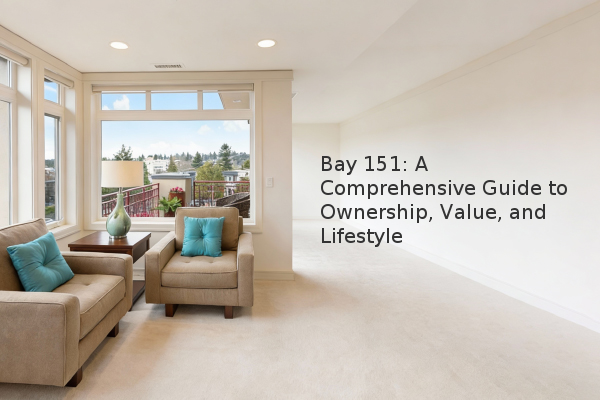
Owning a property like Bay 151, typically a condominium unit in a coastal or waterfront community, involves understanding its unique value proposition, financial obligations, and lifestyle benefits. This guide provides an objective analysis based on current real estate assessment standards, focusing on the key factors that influence its market price, the nuances of shared ownership, and the long-term considerations for a prospective buyer. The decision to invest in such a property should be grounded in a clear evaluation of costs, regulations, and personal fit.
In real estate terms, a designation like "Bay 151" often refers to a specific unit within a larger residential complex, most commonly a condominium (or condo). A condominium is a form of freehold ownership where you own your individual unit outright, while sharing ownership of common areas like lobbies, pools, and grounds with other residents through a homeowners association (HOA). Unlike a single-family home, owning a condo at Bay 151 means you are part of a community with shared rules and financial responsibilities. The appeal often lies in amenities and locations, such as bayfront views, that might be unattainable with a standalone property.
The purchase price is just one component of the financial picture. A critical factor is the HOA fee, a monthly charge covering maintenance of common areas, building insurance, and sometimes utilities. For a luxury building, these fees can be significant. Additionally, you must budget for property tax, an annual ad valorem tax levied by the local government based on the assessed value of your unit. It is also prudent to secure title insurance, a one-time policy that protects you from ownership disputes or liens against the property's title that existed before your purchase.
| Cost Factor | Description | Typical Frequency |
|---|---|---|
| Mortgage Payment | Principal and interest on your loan. | Monthly |
| HOA Fees | Covers common area upkeep, amenities, and master insurance. | Monthly |
| Property Taxes | Levied by the county based on the assessed value. | Annually (often paid monthly via escrow) |
| Homeowner's Insurance | Covers interior damage to your unit (a "walls-in" policy). | Annually |
Assessing the value of a unit like Bay 151 requires looking at comparable sales, or "comps," of similar units in the same building or complex. Key value drivers include the unit's floor plan, view quality, floor level, and updates to finishes like kitchens and bathrooms. Based on our experience assessment, properties in well-maintained buildings with strong HOA reserves and desirable locations tend to hold their value better during market fluctuations. It is essential to review the HOA's financial health and rules, as these directly impact your living experience and the property's resale potential.
The lifestyle is a major draw. Residents often enjoy resort-style amenities without the maintenance burden of a single-family home. However, this comes with rules outlined in the HOA's Covenants, Conditions, and Restrictions (CC&Rs). These documents may regulate everything from pet ownership and rental policies to exterior decorations. Before committing, review the CC&Rs thoroughly to ensure they align with your expectations. The transaction process involves an offer, inspection, and a closing period where escrow—a neutral third party—holds funds and documents until all conditions are met.
Prospective buyers should prioritize a thorough review of HOA documents, obtain a professional home inspection, and secure financing pre-approval. Understanding the full scope of monthly costs beyond the mortgage is crucial for long-term affordability. Focusing on the building's financial health and governance is as important as the unit's condition. This comprehensive approach ensures an informed decision when considering a distinctive property like Bay 151.