Browse

Log in / Register
 Share

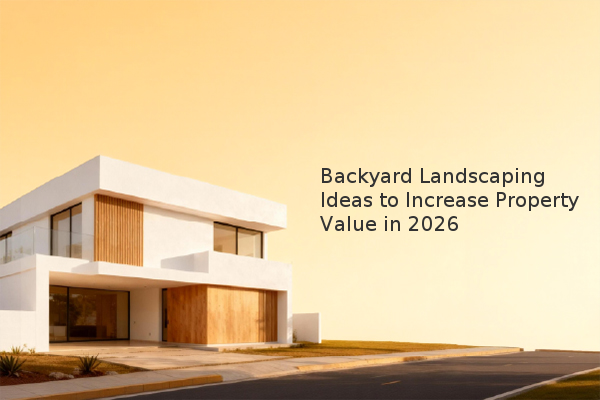
A well-designed backyard is a significant financial and lifestyle investment that can boost your property's curb appeal and market value. Based on our experience assessment, strategic landscaping upgrades—from selecting drought-tolerant plants to adding functional structures—can yield a strong return on investment (ROI) by creating desirable outdoor living spaces. This guide outlines key considerations for planning a valuable yard transformation.
Effective landscaping requires more than aesthetic plant selection. Professional landscaping planning involves analyzing sun exposure, soil type, drainage, and long-term maintenance needs. A critical first step is choosing native and drought-tolerant plants. These species are adapted to the local climate, requiring less water and care, which reduces ongoing costs. Furthermore, it's wise to avoid trees that shed heavily or drop fruit, as they can create constant mess and damage. A well-planned yard balances beauty with practicality, ensuring the space remains enjoyable and valuable for years.
Recycling existing materials is a cost-effective and sustainable approach to renovation. Old concrete pavers, for instance, can often be salvaged. The process involves carefully prying them up, cleaning them, and applying a new finish. An acid stain is a durable option for refreshing concrete; it absorbs into the surface and, unlike paint, won't chip, peel, or fade. This method breathes new life into old materials, aligning with a philosophy of reuse that can add unique character to your yard while managing the project budget effectively.
For permanent structures like pergolas, longevity and ease of maintenance are paramount. While wood is a classic choice, it requires regular staining or sealing to prevent weathering. A modern alternative is powder-coated steel, which offers superior durability. This material is resistant to rot, insects, and the effects of sun and rain, meaning it will maintain its appearance with minimal effort. Many steel pergolas are available in kit form with pre-cut pieces and hardware, simplifying assembly. Choosing a low-maintenance pergola enhances your outdoor enjoyment without adding to your chore list.
Permit requirements vary significantly by city and county, so verifying local regulations is essential. In many areas, smaller structures often fall under exemption thresholds. For example, some municipalities may not require a permit for sheds or studios under 120 square feet, though electrical work typically still needs inspection. To streamline the process, many homeowners opt for prefabricated structures. These are built in panels at a factory and assembled on-site, which can be easier to manage than a custom build. Confirming local permit rules before breaking ground is crucial to avoid costly fines or having to remove non-compliant work.
Outdoor kitchens have evolved with integrated technology for convenience. Modern grills may feature digital touch screens for precise temperature control, replacing traditional knobs. These interfaces allow you to monitor and adjust heat levels accurately, improving cooking results. Alongside smart grills, considerations for an outdoor kitchen include durable countertops, adequate storage, and appropriate flooring. Incorporating functional technology enhances the usability of the space, making it a true extension of your home's living area.
To maximize your backyard's value, focus on a cohesive plan that prioritizes low-maintenance, durable materials and compliance with local building codes. Starting with a clear budget and professional consultations can help you make informed decisions that pay off in both immediate enjoyment and long-term property equity.