Browse

Log in / Register
 Share
Share
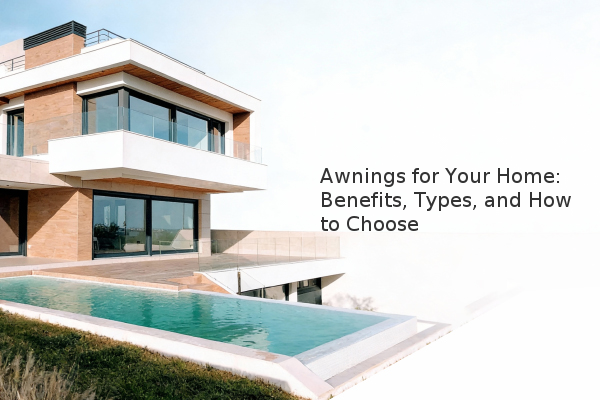
Installing an awning is a strategic home improvement that enhances outdoor living space, boosts energy efficiency, and can increase curb appeal. With the global awning market projected to grow significantly, this classic feature is seeing a major resurgence. This guide provides a clear breakdown of awning benefits, the key differences between retractable and fixed models, and practical advice for selecting the right style for your home.
How Do Awnings Contribute to Energy Efficiency and Outdoor Living?
Awnings offer a direct solution for reducing household energy costs, particularly for cooling. By blocking solar heat gain through windows, window awnings can significantly lower air conditioning usage. This makes them a practical upgrade for improving a home's energy efficiency. For outdoor areas, patio awnings create defined, comfortable spaces that align with modern homeowner priorities. As Ryan Bullock, a strategic real estate adviser, notes, awnings provide a durable and attractive shading solution compared to temporary options like umbrellas or pop-up tents, making outdoor areas more functional and desirable.
What Are the Advantages of Retractable Awnings?
Retractable awnings are the most popular type due to their versatility. They can be extended for shade and retracted to enjoy sunshine, making them ideal for regions with variable weather. This flexibility is a key benefit, allowing homeowners to adapt their outdoor space to the season or even the time of day.
Their non-permanent nature also means installation is often less complex than a full construction project, adding to their appeal for a wide range of homes.
When Is a Fixed Awning the Right Choice?
Fixed awnings are a permanent attachment to a home's exterior. Commonly made from sturdy materials like aluminum, wood, or polycarbonate, they are a cost-effective option, often costing only a few hundred dollars. They are best suited for:
However, their permanent exposure to weather elements like heavy snow or wind means they may require more maintenance over time than retractable models. They are less adaptable but offer a durable, low-maintenance shading solution for the right climate.
| Feature | Retractable Awning | Fixed Awning |
|---|---|---|
| Flexibility | High; can be retracted | None; permanent structure |
| Ideal Climate | Changing seasons | Consistent, fair weather |
| Typical Cost | $$$ ($1,000 - $5,000+) | $ ($200 - $800) |
| Maintenance | Moderate | Low, but can be impacted by weather |
How Should You Choose an Awning Style for Your Home?
Selecting an awning that complements your home's architectural style is crucial for maximizing curb appeal. The goal is to choose an awning that acts as an integrated architectural accessory rather than an afterthought.
Beyond aesthetics, practical considerations are vital. Always check with your Homeowners Association (HOA) for any restrictions before purchasing. It is also advisable to hire a reputable installer familiar with local building codes to ensure a safe and compliant installation. Choose UV-resistant and mildew-proof fabrics for longevity.
Can an Awning Impact Your Home's Value?
While an awning may not increase a home's appraised value like a permanent addition, it can be a significant selling point by enhancing the property's overall appeal. A well-chosen awning makes an outdoor space feel more inviting and functional, which can help a home stand out in the market and potentially sell faster. As one real estate professional noted, a simple installation can transform a space and generate more buyer interest.
In summary, the key to a successful awning installation is to prioritize your functional needs—whether it's energy savings or creating an outdoor room—and then select a style that seamlessly integrates with your home's design. For the best results, focus on quality materials and professional installation.