Browse

Log in / Register
 Share
Share
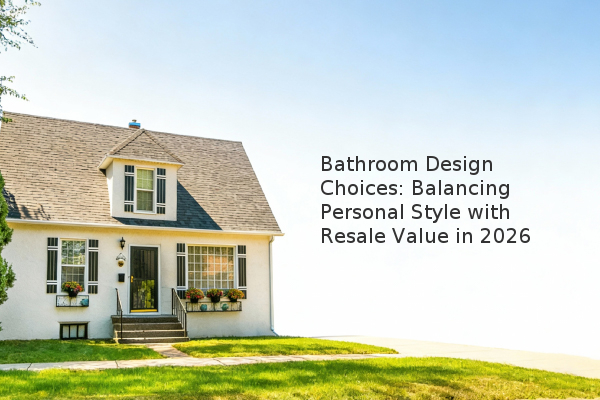
When designing a bathroom, the core dilemma is whether to prioritize current personal taste or features that enhance a home's future resale value. Based on industry assessments, the most strategic approach for 2026 is a balanced one: integrate timeless, high-demand elements that appeal to the broadest buyer pool while expressing your style through easily changeable decor. Key features that consistently retain value include at least one standard bathtub, ample closed storage, functional lighting, and practical showerheads.
Even as zero-entry showers gain popularity for their accessibility and modern appeal, a standard bathtub remains a critical feature for resale. A zero-entry shower (a shower with no curb or step to enter) is often favored for its sleek look and ease of use. However, from a resale perspective, omitting a tub can significantly limit your buyer pool. Families with young children, in particular, require a bathtub for practical reasons. As one industry professional notes, this essential fixture doesn't need to be in the primary bathroom; it can be located in a guest or hall bathroom. The key takeaway is that including at least one standard bathtub in the home is a non-negotiable for maximizing market appeal.
While open shelving appears frequently in design magazines, closed storage is the more practical and universally preferred choice for daily living. Open shelves require constant organization to maintain a tidy appearance, which is often unrealistic. Closed storage, such as drawers and cabinets, effectively conceals everyday clutter like toiletries and cleaning supplies. This approach aligns with how people actually use their bathrooms, making the space feel cleaner and more spacious. For both current livability and future sale, prioritizing closed storage is a sound decision.
The choice of wall material often comes down to tile versus more niche options like reclaimed wood. Tile is a versatile and durable choice, available in countless styles, colors, and price points. It is also moisture-resistant and easy to clean, making it a low-maintenance option for a wet environment. Reclaimed wood can inject character and warmth but may not be suitable for all bathrooms due to potential moisture damage and its very specific aesthetic. For a balance of style and longevity, tile is the more versatile and safer investment.
Bathroom lighting must serve a functional purpose first. A single, dim statement fixture is insufficient for tasks like shaving or applying makeup. The recommended approach is to layer your lighting. This involves installing three types of lights:
While rain-style showerheads are efficient and offer a spa-like experience, they are not always the most practical. Their downward water flow can be inconvenient for hair washing or for contact lens wearers. The angled wall-mounted showerhead remains a favorite for its direct, controllable spray. A versatile solution is to install a fixed showerhead alongside a handheld nozzle, which provides flexibility for cleaning the shower and for personal use.
A large, decorative mirror can serve as a beautiful focal point, but it sacrifices functionality. A medicine cabinet provides invaluable concealed storage for medications and personal items, reducing countertop clutter. If you desire a statement mirror, consider expressing your creativity in another area of the home where storage is less critical. The practicality of a medicine cabinet is a significant selling point for potential buyers.
The desire for a soft, absorbent surface when stepping out of the shower is universal. The trend of using vintage rugs adds color and pattern, but they may not be absorbent. You do not have to choose one over the other. A practical compromise is to layer a highly absorbent, plain bath mat directly over a decorative rug when showering. After use, the functional mat can be hung to dry, leaving the stylish rug on display. This approach successfully merges design with daily utility.
In conclusion, the most successful bathroom designs for 2026 thoughtfully blend resale-smart fundamentals with personal flair. Focus your budget and permanent decisions on elements that have broad appeal: a tub, closed storage, and functional fixtures. Then, infuse your personality through easily swapped items like vanity hardware, paint color, bath mats, and artwork. This strategy ensures your bathroom is both a personal retreat and a valuable asset.