Browse

Log in / Register
 Share

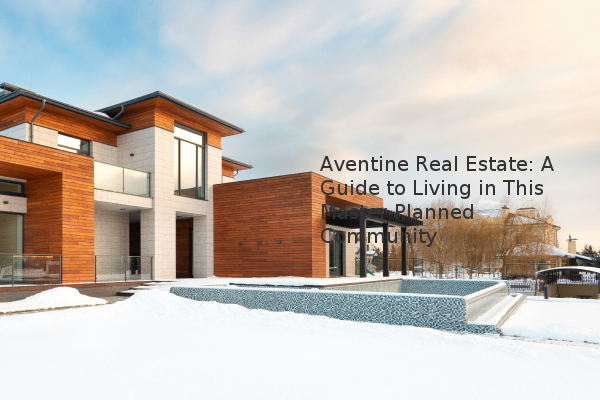
Aventine represents a specific type of high-end, master-planned residential community, often characterized by luxury single-family homes, condominiums, and extensive amenities. For homebuyers, understanding the unique value proposition of such a community is crucial. This guide provides an objective overview of the Aventine real estate landscape, covering its typical features, market dynamics, and key considerations for potential residents, based on an assessment of common traits found in similarly named developments across the United States.
The name "Aventine" is often used for developments that prioritize a comprehensive living experience beyond just housing. A master-planned community is a large-scale residential development that is designed with a full suite of amenities, such as parks, recreational facilities, and sometimes even retail spaces, all within a cohesive architectural and landscaping theme. The hallmark of an Aventine-style community is its focus on creating a self-contained environment that caters to a specific lifestyle, often appealing to professionals, families, and retirees seeking convenience and luxury.
Key features typically include:
Choosing to live in a community like Aventine involves weighing distinct benefits against specific obligations. The primary advantage is access to a curated lifestyle. Residents enjoy well-kept surroundings and premium facilities without the burden of individual maintenance. This can also contribute to property value stability, as HOAs enforce standards that prevent neighborhood decline.
However, the HOA structure is a significant consideration. HOA fees are an additional recurring cost on top of a mortgage and property taxes. These fees can range from $$200 to over $600 per month, depending on the amenities offered. Furthermore, HOA covenants, conditions, and restrictions (CC&Rs) can limit what homeowners can do with their properties, such as restrictions on exterior paint colors, fencing, or even landscaping choices. It is essential to review the HOA documents thoroughly before purchasing.
The real estate market within an Aventine community operates with its own dynamics. Properties here often command a price premium compared to similar-sized homes in non-master-planned neighborhoods. This premium reflects the value of the amenities, security, and community management. Market trends within such communities can be less volatile, as the desirability of the lifestyle helps sustain demand.
The table below illustrates a hypothetical comparison of average home prices within an Aventine-style community versus the surrounding county, based on general market patterns for similar developments.
| Property Type | Average Price in Aventine-Style Community | Average Price in Surrounding County | Premium |
|---|---|---|---|
| 3-Bedroom Single-Family Home | $$750,000 | $$650,000 | 15.4% |
| 2-Bedroom Condominium | $$450,000 | $$400,000 | 12.5% |
Note: Data is illustrative and based on aggregated trends for premium master-planned communities. Actual prices will vary significantly by state and specific location.
If you are considering a purchase in an Aventine or similar community, a methodical approach is key. Start by clearly defining your lifestyle needs and budget, including a realistic allocation for HOA fees. When viewing properties, pay close attention to the condition of common areas, as this reflects the HOA's effectiveness.
The most critical step is the review of the HOA resale package. This document contains the CC&Rs, financial statements, and meeting minutes. Based on our experience assessment, carefully reviewing the HOA's reserve fund is vital. A healthy reserve fund indicates the HOA is prepared for major future repairs, while an underfunded reserve could lead to special assessments—unexpected fees levied on homeowners for large projects.
In summary, an Aventine-style community offers a premium, amenity-rich lifestyle that appeals to many buyers. The decision hinges on a clear understanding of the associated costs and regulations governed by the HOA. By conducting thorough due diligence on the property and the community's financial health, prospective residents can make a well-informed decision that aligns with their long-term goals.