Browse

Log in / Register
 Share
Share
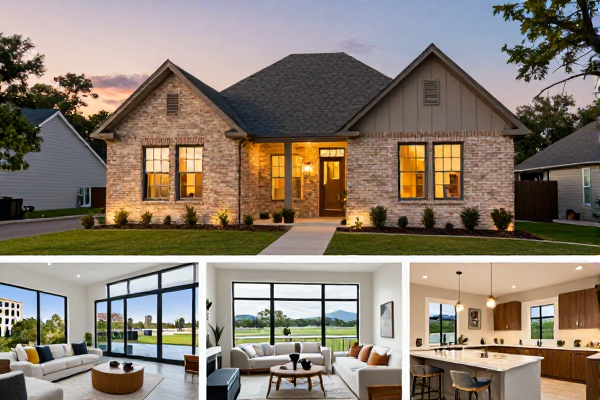
Navigating Austin's real estate market starts with understanding its ZIP codes. In 2026, the median home value disparity between the most and least expensive Austin ZIP codes exceeds $1.5 million, with property tax rates creating significant long-term cost differences. Choosing the right area is crucial, as each ZIP code represents a unique blend of price, lifestyle, and investment potential. This guide analyzes key Austin ZIP codes to provide a clear, data-driven overview for your home buying or selling decisions.
The premium Austin ZIP codes continue to be centered west of MoPac Expressway and in the central core. These areas are characterized by larger lot sizes, top-rated school districts, and proximity to downtown and natural amenities like Barton Creek. The effective property tax rate (the annual property tax amount divided by the home's value) in these areas often ranges from 1.5% to 1.8%, meaning a $1.5 million home could incur annual taxes between $22,500 and $27,000.
Value in Austin's 2026 market is often found in evolving neighborhoods east of I-35 and in certain northern suburbs. These areas offer more affordable entry points into the market with strong potential for appreciation (an increase in property value over time). First-time homebuyers and investors should pay close attention to these markets.
| Austin ZIP Code | 2026 Median Home Value | Key Neighborhoods | Vibe & Notes |
|---|---|---|---|
| 78741 | ~$475,000 | Pleasant Valley, Riverside | Rapidly developing, strong artist community, close to downtown. |
| 78753 | ~$425,000 | Rundberg, North Lamar | Highly diverse, major transit corridors, significant revitalization projects underway. |
| 78754 | ~$500,000 | Windsor Park, Mueller | Family-friendly, Mueller development is a major draw with parks and shops. |
It's a critical misconception that property tax rates are set by ZIP code. Rates are determined by a combination of taxing entities—city, county, school district, and emergency services—whose boundaries don't perfectly align with ZIP codes. However, because school districts are a major factor, ZIP codes can be a good proxy for estimating tax burdens. For example, homes in 78759 (served by Round Rock ISD) may have a slightly different composite tax rate than homes in 78727 (served by Austin ISD), even if they are geographically close.
Always verify the exact tax rate for a specific property. The Travis Central Appraisal District website provides this detailed information. Budgeting for property taxes is non-negotiable; a difference of even 0.2% can amount to thousands of dollars over the life of a mortgage.
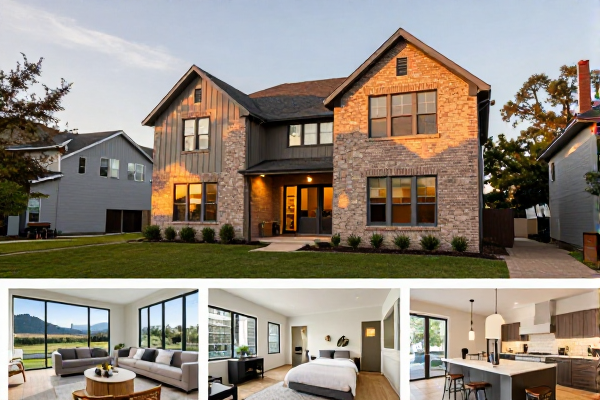
The financials are only part of the equation. Your lifestyle needs should heavily influence your ZIP code choice. Consider your daily commute; traffic congestion on I-35 and MoPac remains a key factor in 2026. Are you seeking a walkable urban core, a quiet suburban neighborhood with parks, or a more rural setting? Research access to amenities like grocery stores, healthcare facilities, and entertainment venues. For families, school district ratings are often the deciding factor, directly impacting both quality of life and resale value.
To make an informed decision in Austin's dynamic 2026 market: prioritize your budget including property tax estimates, align your neighborhood choice with your lifestyle, and verify school district boundaries independently of ZIP codes. The right Austin ZIP code for you balances financial practicality with the community environment that best suits your needs.