Browse

Log in / Register
 Share

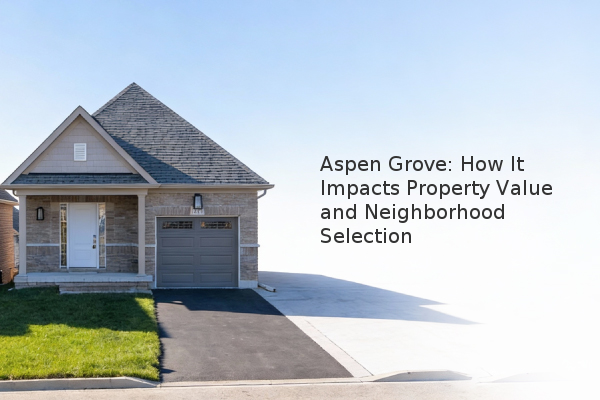
An Aspen Grove, a distinctive cluster of aspen trees, can significantly enhance property aesthetics and influence real estate desirability. Properties featuring or adjacent to such natural landmarks often command premium valuations due to their visual appeal, seasonal color displays, and contribution to privacy. This analysis, based on our experience assessment, outlines the tangible effects of an aspen grove on home value, key considerations for buyers, and important maintenance factors for sellers.
How does an aspen grove directly influence property value? The presence of a mature aspen grove is generally viewed as a positive amenity. The arboreal canopy (the layer formed by the leaves and branches of trees) provides natural beauty, seasonal interest with vibrant fall colors, and can offer a sense of seclusion. According to assessments within the landscaping and real estate appraisal sector, well-maintained mature trees can contribute between 7% to 19% to the value of a residential property. This value is not automatic; it depends on the grove's health, location on the lot, and its condition. A grove that is diseased, too close to the home's foundation, or poses a safety risk can conversely detract from value. It is critical to obtain a specialist's report on the health of the trees during the due diligence period of a real estate transaction.
What should buyers consider about a property with an aspen grove? Prospective buyers should look beyond the immediate beauty and conduct a thorough evaluation. Key considerations include the root system. Aspens have spreading roots that can potentially interfere with underground utilities, septic systems, and foundations. A property inspection should include an assessment by a certified arborist to identify any risks. Furthermore, buyers should inquire about local regulations. Some municipalities have strict rules regarding the removal or pruning of native tree clusters, which could limit future landscaping plans. Understanding these property tax implications is also wise, as significant land improvements, which a prized grove can be considered, might be factored into assessments.
What are the maintenance responsibilities for a seller with an aspen grove? For sellers, a thriving aspen grove is a selling point that requires proactive management. Regular maintenance, such as pruning dead branches and managing pests, is essential to preserve the grove's health and appearance. Sellers should provide documentation of this care to potential buyers. Because aspens are susceptible to diseases like leaf spot and pests, a pre-listing inspection by an arborist can identify issues to be addressed before the property hits the market. This transparency can prevent negotiations from falling through later and justifies a higher asking price. Addressing these items upfront demonstrates responsible ownership.
Are there commercial or neighborhood-wide implications? The benefits of an aspen grove often extend beyond individual lots. In master-planned communities or subdivisions, preserved groves can be central amenities that boost the overall appeal and marketability of the entire area. For commercial real estate, such as a boutique hotel or office park, an aspen grove can enhance the curb appeal and create a tranquil environment, potentially attracting higher-quality tenants or clients. The communal value reinforces the notion that natural features are a shared asset, contributing to a cohesive and desirable neighborhood character that supports long-term property values.
In summary, an aspen grove is a valuable asset when properly managed. Its impact on property value is positive but contingent on health and location. Buyers must prioritize a specialized arborist report during inspections, while sellers should maintain detailed records of grove upkeep. Ultimately, understanding both the advantages and responsibilities associated with this natural feature leads to more informed real estate decisions and can yield significant long-term rewards.