Browse

Log in / Register
 Share

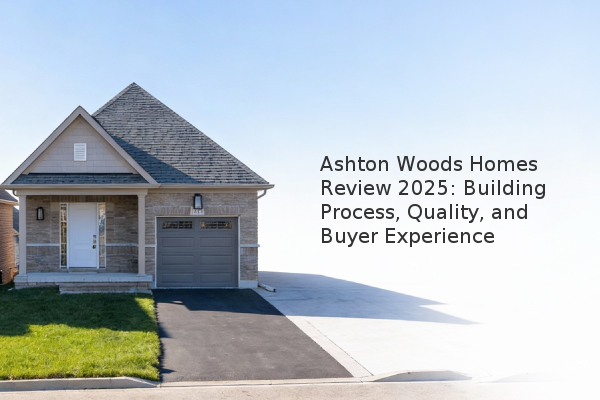
Ashton Woods stands as a prominent national homebuilder, recognized for constructing single-family homes and townhomes in master-planned communities across several states. For prospective buyers in 2025, understanding the company's building process, quality standards, and overall buyer experience is crucial for making an informed decision. This review is based on an assessment of industry reports, builder profiles, and prevailing market trends to provide a clear, objective overview of what to expect.
What is the Ashton Woods Business Model and Builder Profile?
Ashton Woods operates as a build-to-order homebuilder, which means buyers typically purchase a homesite and then work with the builder to select a floor plan and customize features. This model differs from spec homes (speculative homes built without a specific buyer) and allows for a higher degree of personalization. The company focuses on constructing homes in desirable, often master-planned communities that include amenities like parks, pools, and community centers. Their product range often includes single-family detached homes and townhomes, catering to a variety of buyers from first-timers to those seeking luxury upgrades. It is important for buyers to research the specific offerings in their target state and community, as layouts, standard features, and available lots can vary significantly.
What is the Onsite Building Process and Customization Like?
The journey of building an Ashton Woods home generally follows a structured sequence, from initial deposit to final walkthrough. A key differentiator is their emphasis on customization. Buyers usually work with a sales consultant and design studio to choose structural options (like extending a room) and design finishes (such as flooring, cabinets, and countertops). This process involves making numerous decisions that will impact the final price and timeline. The base price of a home often includes standard features, while upgrades and lot premiums can substantially increase the total cost. Clear communication and a detailed understanding of your contract's inclusions are essential to avoid budget overruns.
| Phase | Key Activities | Buyer Involvement |
|---|---|---|
| Pre-Construction | Signing contract, securing financing, design center selections | High - Critical decisions on layout and finishes |
| Construction | Foundation, framing, mechanicals, interior finishes | Moderate - Periodic site visits scheduled with superintendent |
| Closing | Final inspection, walkthrough, closing disclosure review | High - Verifying workmanship and preparing for move-in |
How Does Ashton Woods Compare on Quality and Market Positioning?
Based on industry assessment, Ashton Woods is typically positioned in the move-up to luxury segment of the market. The quality of construction involves standard builder-grade materials with options to upgrade. Key areas to evaluate include the energy efficiency of appliances and insulation, the warranty coverage for different components of the home, and the responsiveness of the customer service team after move-in. Potential buyers are advised to research recent homeowner reviews for the specific community they are considering, as experiences can vary by local division and construction team. Comparing the standard features and upgrade costs with other national and local builders in the same price range is a recommended step.
Key considerations for a prospective buyer include thoroughly researching the specific master-planned community, understanding all costs involved beyond the base price, and getting pre-approved for a mortgage to understand your true budget. The build-to-order model offers valuable personalization but requires active participation. Ultimately, visiting model homes, asking detailed questions about the warranty, and speaking with current residents can provide the most relevant insights for your homebuying decision in 2025.