Browse

Log in / Register
 Share
Share

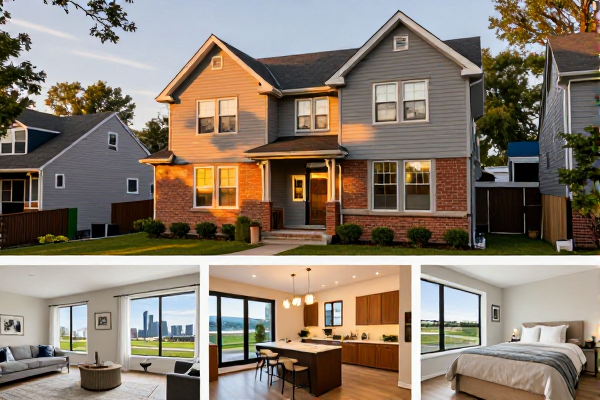
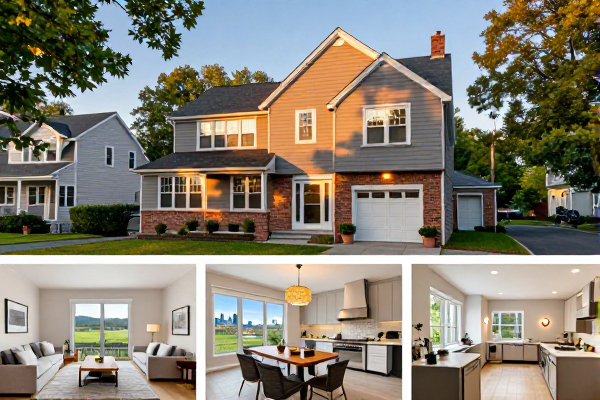
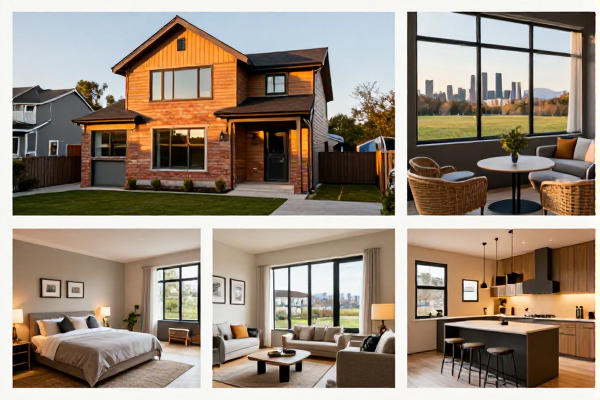
Artisian homes represent a niche category of residential properties characterized by unique, handcrafted details and custom architectural elements. Unlike standard production builds, these homes often feature one-of-a-kind craftsmanship, such as custom millwork, intricate tilework, or bespoke built-ins. For buyers seeking a property with distinct character and personality, understanding what defines an artisian home, its potential impact on market value, and the specific considerations for purchase is essential. This guide provides an objective overview based on current real estate market trends.
The term "artisian" (sometimes stylized as "artisan") in real estate does not refer to a single architectural style but rather to a level of craftsmanship. The key differentiator is the emphasis on custom, hand-finished details that are not mass-produced. Common features might include custom cabinetry crafted by a local woodworker, hand-laid stone or tile patterns, forged metalwork on railings or light fixtures, and unique architectural elements like curved walls or custom arched doorways. These elements are integrated into various styles, from modern farmhouses to rustic cottages. It's the presence of these bespoke features that elevates a property into the artisian category, often appealing to buyers who value authenticity and quality over uniformity.
When evaluating a home marketed as artisian, look for evidence of skilled labor. This can be assessed by examining the finish quality of woodwork, the consistency of mortar joints in stonework, or the design coherence of custom elements. The value lies in the irreplaceable nature of the work; these features cannot be simply ordered from a catalog.
The impact of artisian details on a home's market price is not absolute and depends heavily on local market trends and buyer preferences. In markets where buyers prioritize move-in-ready, modern homes, highly specific customizations might not appeal to the broadest audience. However, in areas with a strong appreciation for historic preservation, luxury, or unique character homes, artisian features can significantly increase value and desirability. The appraisal process for such properties can be more complex, as comparable sales (comps) of truly similar homes may be scarce.
Appraisers often adjust value based on the quality and condition of these unique features. Well-maintained, timeless artisian work can command a premium, while dated or overly personalized designs might not contribute their original cost to the final appraised value. The table below outlines potential value influencers.
| Feature Type | Potential Positive Impact on Value | Potential Neutral/Negative Impact |
|---|---|---|
| High-Quality Custom Kitchen | Significant premium for desirable materials and layout | If style is highly dated or too niche |
| Handcrafted Built-in Shelving | Adds perceived value and functionality | Poor craftsmanship or impractical design |
| Unique Architectural Element (e.g., custom staircase) | Can be a major selling point for the right buyer | May be seen as a obstacle for furniture placement |
Purchasing a home with significant custom work requires due diligence beyond a standard inspection. A specialized inspection is highly recommended to assess the integrity of the unique features. For example, a home with complex stone veneer should be evaluated by a mason, while a house with extensive custom woodwork might benefit from a consult with a finish carpenter. This helps identify potential maintenance issues that a general inspector might miss.
Furthermore, homeowners insurance may differ for an artisian home. You should discuss the home's unique characteristics with your insurance provider, as the cost to replicate handcrafted elements in the event of a loss will likely be higher than for standard builder-grade materials. This could affect your premium and the level of coverage needed. It's also wise to inquire about the original artisans or contractors, if possible, for future maintenance or repairs.
- Specialized Inspection: Essential for evaluating non-standard construction. - Insurance Assessment: Confirm replacement cost coverage for custom features. - Maintenance Planning: Understand the long-term upkeep of unique materials.
The decision ultimately hinges on your lifestyle and priorities as a homeowner. If you cherish unique architecture, appreciate the story behind craftsmanship, and are prepared for the potential maintenance and insurance considerations, an artisian home can be a deeply rewarding investment. It offers a living environment unlike any other. However, if your priority is low-maintenance living, ease of future renovations with readily available materials, or maximizing resale value to the widest possible audience, a more traditional home might be a more pragmatic choice. Weigh the emotional appeal of unique character against the practical aspects of ownership.
In summary, artisian homes offer unique character but require specialized evaluation and maintenance planning. Key takeaways include: prioritizing a specialized inspection, reviewing insurance needs for custom features, and understanding that value is highly dependent on local buyer tastes. This approach ensures an informed decision when considering a property defined by its craftsmanship.