Browse

Log in / Register
 Share
Share
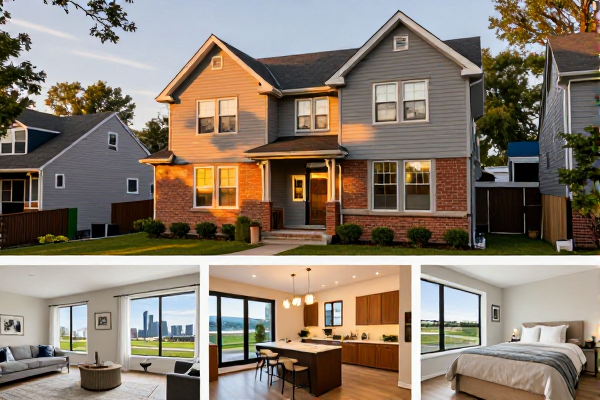
A Washington zip code is more than just a mailing address; it is a primary determinant of your property tax bill and your home's market value. In 2026, the correlation between location and cost remains strong, with tax rates and home appreciation varying significantly from one postal zone to another. Understanding this relationship is critical for any homebuyer or investor to make a financially sound decision.
What is a Washington Zip Code? A ZIP Code is a system used by the United States Postal Service (USPS) to designate specific geographic areas for efficient mail delivery. In Washington state, these codes not only identify cities and towns but also pinpoint neighborhoods and even specific blocks, creating micro-markets with distinct characteristics. The property tax implications of your chosen zip code are substantial because these local rates fund essential services like schools, fire departments, and infrastructure, which directly influence area desirability.
How Zip Codes Determine Property Tax Rates Your property tax is not a single state-wide rate. Instead, it's a combination of levies from various taxing districts (city, county, school district, etc.) that overlap within your zip code. A home in a 98004 zip code (Medina) will have a vastly different tax burden than a similar-sized home in a 98444 zip code (Parkland) due to these localized assessments.
| Washington Zip Code | Example City/Area | Estimated 2026 Median Home Value | Estimated Effective Property Tax Rate |
|---|---|---|---|
| 98004 | Medina, Clyde Hill | $2,800,000 | 0.75% |
| 98112 | Capitol Hill, Montlake | $1,450,000 | 0.85% |
| 98685 | Vancouver (suburban) | $550,000 | 1.10% |
As the table illustrates, higher-value areas often have lower effective tax rates, but the actual dollar amount paid can be significantly larger. This is because tax rates are often inversely related to the overall property value base in a district.
The Link Between Zip Codes and Home Appreciation Market dynamics are hyper-local. A zip code with top-rated school districts, low crime rates, and proximity to employment hubs like Seattle or Bellevue will consistently experience higher demand. This demand drives home value appreciation. For example, based on our experience assessment, properties in zip codes serving the Lake Washington School District (e.g., 98033, 98034) have historically shown stronger and more resilient value growth compared to state averages. When evaluating a home, research the recent sales data and price trends specific to its zip code, not just the broader city.
Practical Steps for Homebuyers Before committing to a purchase, investigate the full financial picture of a Washington zip code.
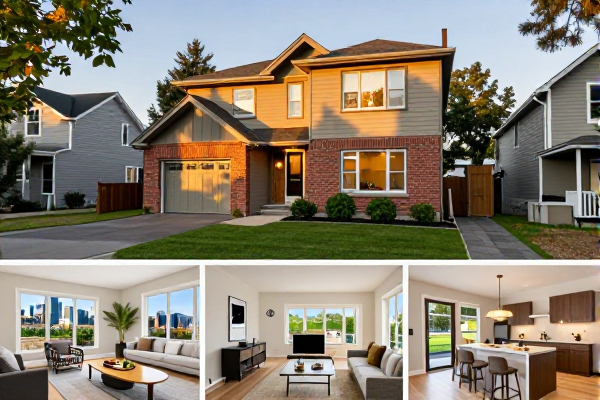
Choosing a Washington zip code is a major financial decision. The data clearly shows that property taxes and home values are intrinsically linked to your specific location. To make a smart investment, prioritize researching the tax rates and market trends of your target zip codes, ensuring your budget aligns with the long-term costs and potential growth of the area.