Browse

Log in / Register
 Share

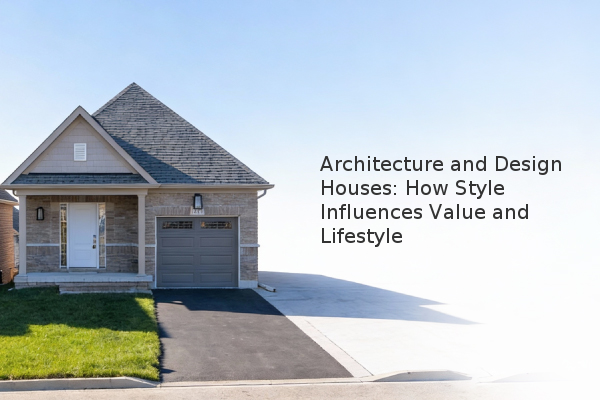
When considering architecture and design houses, the style is not merely an aesthetic choice but a significant factor influencing property value, functionality, and long-term satisfaction. The architectural design of a home can directly impact its market value, with certain styles like Mid-Century Modern and Craftsman often commanding premiums in specific markets. Understanding the nuances of different architectural styles is crucial for making an informed decision, whether you are buying, building, or renovating a property. This guide explores the practical implications of residential architecture, from cost considerations to lifestyle compatibility.
The United States boasts a diverse range of residential architectural styles, each with distinct characteristics. Key styles include Ranch, known for its single-story, open layout; Colonial, recognized for its symmetry and historical roots; and Contemporary, which emphasizes current trends, open spaces, and sustainable materials. Other popular styles are Cape Cod, Tudor, and Mediterranean. Each style carries different maintenance requirements, energy efficiency levels, and resale value potentials. For example, a Victorian-style home may offer intricate charm but could involve higher upkeep costs compared to a minimalist Modern design. Choosing a style involves balancing personal taste with practical considerations like your local climate and neighborhood character.
The impact of architecture on home value is measurable. Homes with a cohesive and desirable architectural design often sell faster and for a higher price per square foot than those with outdated or confusing layouts. Location plays a role; a Craftsman bungalow might be highly sought after in Pacific Northwest suburbs, while a Spanish-style home could be more valuable in the Southwest. Unique or highly customized designs can sometimes appeal to a narrower buyer pool, potentially affecting resale. It's also important to consider the quality of construction and materials, as these elements are integral to the design's execution and longevity. A well-maintained home in a desirable architectural style is generally a sound investment.
If you are building a new home, the architectural design process is foundational. Key considerations include your budget, the building lot's topography and size, local zoning regulations, and your family's lifestyle needs. It is advisable to work with a licensed architect or a reputable builder who can translate your vision into a feasible plan. Think about flow between rooms, natural light, storage space, and how the design will adapt to your life over time. Energy-efficient designs, which may include proper insulation, window placement, and sustainable materials, can lead to significant long-term savings on utility bills. The goal is to create a home that is both beautiful and highly functional.
Yes, renovating or remodeling an existing house can significantly alter its architectural design, but it requires careful planning. Common modifications include opening up floor plans, adding extensions, or updating exterior finishes to reflect a more modern aesthetic. Before starting, it is essential to understand the structural limitations of the home and obtain the necessary permits. Some changes, like removing load-bearing walls, require professional engineering assessments. While modifications can increase value, it's generally wise to choose updates that harmonize with the home's original style or are universally appealing to avoid over-personalizing the space, which might not yield a full return on investment.
In summary, the decision surrounding architecture and design houses should be guided by three key factors: market alignment, lifestyle compatibility, and long-term financial implications. Before committing, research popular styles in your target area and consult with real estate professionals to understand local trends. Prioritize designs that not only reflect your personal taste but also offer practical functionality for your daily life. Ultimately, a well-chosen architectural style enhances your living experience and serves as a stable financial asset.