Browse

Log in / Register
 Share

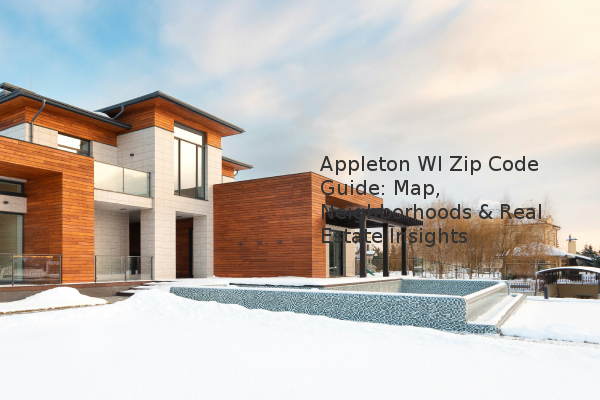
Understanding the zip codes in Appleton, Wisconsin, is a critical first step for anyone looking to buy a home, invest in property, or simply understand the local real estate landscape. Appleton's zip codes correspond to distinct neighborhoods, each with unique characteristics, property tax rates, and market values. This guide provides a clear breakdown of Appleton's primary zip codes—54911, 54913, 54914, and 54915—and how they impact your real estate decisions, from home valuation to community amenities.
A zip code, short for Zone Improvement Plan code, is a postal code used by the United States Postal Service to efficiently route mail. In real estate, it serves as a key identifier for location, directly influencing property values, school districts, and municipal services. For home buyers, the zip code is often the starting point for filtering search criteria.
Appleton is primarily served by four zip codes. The following table provides a quick overview of their general locations and characteristics, which are essential for assessing market trends.
| Zip Code | General Area | Key Characteristics |
|---|---|---|
| 54911 | Central & Downtown Appleton | Historic homes, walkable to Lawrence University and downtown amenities. |
| 54913 | Southeast Appleton | Established residential neighborhoods with a mix of mid-century and newer homes. |
| 54914 | North & Northeast Appleton | Features newer subdivisions, proximity to Fox River Mall and major employers. |
| 54915 | Southwest Appleton | A rapidly growing area with modern housing developments and easy highway access. |
Property values can vary significantly between zip codes due to factors like school district quality, age and style of housing stock, and proximity to commercial centers. Based on recent market data, zip code 54914 often commands a premium due to its concentration of newer construction and proximity to retail and employment hubs. In contrast, 54911 offers more affordable entry points into the market, often with historic charm but potentially higher maintenance costs. It is crucial to compare comparable sales, or "comps," within the same zip code to get an accurate assessment of a property's fair market value.
When obtaining a mortgage pre-approval, lenders will consider the zip code as part of their risk assessment, which can indirectly influence loan terms. Furthermore, property tax assessment is administered at the city and county level, but since zip codes can align with different neighborhood features and service demands, effective tax rates can feel different from one area to another.
Your choice of zip code should align with your lifestyle and investment goals. If you prioritize walkability and cultural events, 54911 (Downtown) is a strong contender. For families seeking newer homes with community amenities like parks and pools, 54914 and 54915 are typically the focus. Title insurance is a non-negotiable safeguard in any transaction, protecting your ownership claim against errors in public records, which are organized by geographic areas including zip codes.
While a zip code is a powerful filter, it is not the final step. You must investigate the specific neighborhood, the exact school district boundaries, and the homeowners' association (HOA) fees if applicable. A home inspection is always recommended, regardless of the zip code's general reputation, to identify potential issues with the property itself.
In summary, Appleton's zip codes provide a essential framework for your real estate search. To make an informed decision:
Understanding these geographic boundaries will significantly streamline your home-buying or investment process in the Fox Cities region.