Browse

Log in / Register
 Share

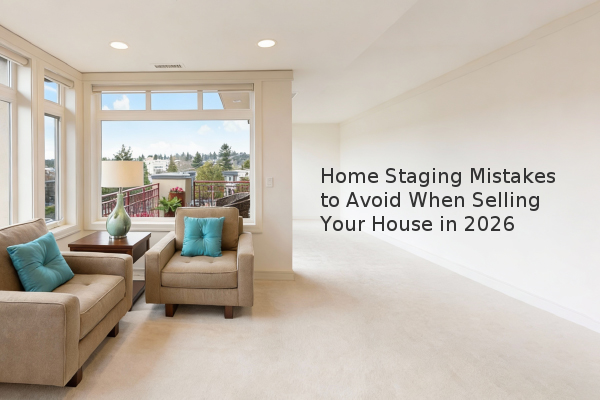
If you are preparing to sell your home, avoiding common home staging errors is critical to making a positive impression on potential buyers. Professional home staging—the process of preparing a private residence for sale—aims to make the property appealing to the highest number of buyers. Based on our experience assessment, the most significant mistakes involve cluttering key surfaces with inappropriate items, which can detract from a property's features and even lower its perceived value. Focusing on clean, neutral, and welcoming spaces is the most effective strategy for a successful sale.
Certain items instantly signal neglect or poor taste to buyers, undermining the entire staging effort. The goal is to allow buyers to envision themselves living in the space, which is impossible if they are distracted by personal clutter or bizarre decor. Key surfaces like coffee tables, kitchen counters, and dining rooms should be purposefully curated, not used as dumping grounds. The most detrimental items include dirty laundry, non-food items arranged as decor, and wrinkled linens, all of which suggest a lack of care for the home.
Even mundane objects can tell the wrong story. For example, leaving a pile of laundry in a living area implies that the home lacks adequate storage space. Placing a toilet paper roll as a centerpiece is confusing and unappealing. Similarly, using "fake foodstuffs," like plastic fruit or fake ice, creates an artificial and unwelcoming atmosphere. These choices can make buyers question the homeowner's maintenance habits and attention to detail. It is far more effective to use simple, authentic elements like a bowl of fresh fruit or a single vase of flowers.
Overly formal decor can be as off-putting as clutter. While sellers may intend to create an elegant atmosphere, excessively formal elements like fancy slipcovers or stiff tablecloths can make a home feel sterile and inaccessible. Buyers often respond better to a lived-in, comfortable vibe rather than a setting that resembles a hotel lobby or a staged event. Wrinkles in fabric are particularly problematic, as they highlight a lack of preparation. Smooth, simple linens and uncluttered spaces feel more inviting and allow the home's architecture to shine.
Highly specific thematic decorations, such as extensive holiday displays or niche collections, can prevent buyers from connecting with a property. A nativity scene, for instance, may be meaningful to the seller but could make buyers of different backgrounds feel like outsiders. Thematic decor risks dating the property and distracting from its permanent features. Staging should highlight the home's timeless qualities, such as natural light, floor space, and flow, not temporary holiday spirit. Neutral decor ensures the appeal is broad and lasting.
To maximize your home's appeal, focus on cleanliness, neutrality, and simplicity. Remove all personal items and clutter from sight. Ensure all fabrics are clean and wrinkle-free to present a well-maintained property. Replace any fake decor with minimal, authentic touches. Ultimately, successful home staging is about creating a blank canvas that allows potential buyers to imagine their future life in the space, free from the distractions of the seller's personal style.