Browse

Log in / Register
 Share

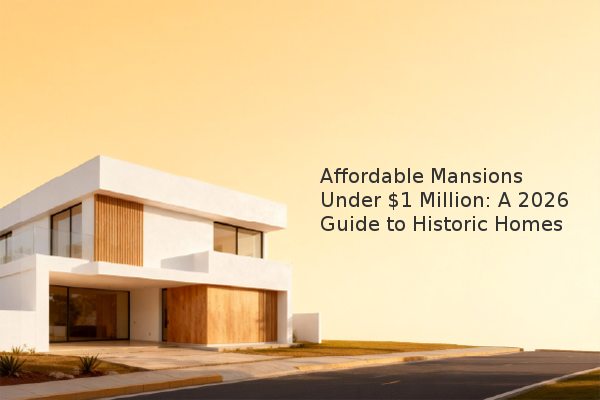
For homebuyers dreaming of grand living spaces without a multimillion-dollar price tag, purchasing a historic mansion under $1 million is a viable strategy in 2026. These properties offer significant square footage and unique character, though they often require a budget for updates. Based on our experience assessment, this approach allows you to acquire a substantial asset while potentially building equity through renovations. This guide explores key considerations for buying these bargain estates.
What defines a mansion in today's real estate market? While there's no official square footage requirement, a mansion is typically considered a large, impressive residence, often exceeding 5,000 square feet, with high-quality construction and luxurious amenities. In the context of affordable listings, many are historic homes built during eras when craftsmanship and spacious layouts were prioritized. These properties, often found in smaller cities or towns, provide an opportunity to own a piece of architectural history. It's important to note that their age usually means certain systems may need modernization.
What are the primary financial considerations when buying an affordable mansion? The listing price is just the starting point. A crucial step is to secure a specialized home inspection—a thorough examination of the property's condition—focusing on the roof, foundation, plumbing, and electrical systems common in century-old buildings. You must budget for immediate repairs and ongoing maintenance. Furthermore, securing a mortgage for a non-standard property can be more complex; some lenders may require larger down payments. You should also research local property tax obligations, which are annual taxes levied by the local government on property owners, as they can be substantial for large homes.
| Expense Category | Estimated Cost Range | Notes |
|---|---|---|
| Purchase Price | $700,000 - $900,000 | As per listing |
| Immediate Repairs | $20,000 - $100,000+ | Varies by inspection findings |
| Annual Property Tax | $5,000 - $15,000+ | Varies significantly by location |
| Annual Insurance | $3,000 - $7,000+ | Higher due to age and size of home |
How can a historic mansion be a strategic real estate investment? Beyond serving as a primary residence, these properties often have multi-family or commercial potential. Many are zoned for use as bed-and-breakfasts, event venues, or multi-unit rentals, which can generate income to offset ownership costs. For example, a mansion with nine bedrooms could be licensed as a boutique hotel. According to recent data on housing trends, the demand for unique short-term rental experiences remains strong. Renovations, if done thoughtfully, can significantly increase the property's market value. However, this requires a clear business plan and understanding of local regulations.
What should you look for during a viewing of a historic home? Focus on the integrity of original features like solid woodwork, stained glass, and flooring, as restoring these is often more costly than repairing modern equivalents. Check for signs of water damage, uneven floors, and the condition of the heating system. Also, assess the layout's functionality for modern living; while formal dining rooms are charming, an updated chef's kitchen—a kitchen designed for serious cooking with high-end appliances and ample workspace—is a valuable modern asset. The potential for outdoor space, like gardens or carriage houses, adds significant utility.
To successfully purchase a bargain mansion, follow these steps. First, get pre-approved for financing to understand your true budget. Second, work with a real estate agent experienced in historic properties. Third, commission specialized inspections for structure, pests, and old wiring. Finally, create a realistic renovation budget and timeline before making an offer. While these homes require vision and investment, they represent a unique opportunity to own a substantial property with historic charm.