Browse

Log in / Register
 Share
Share
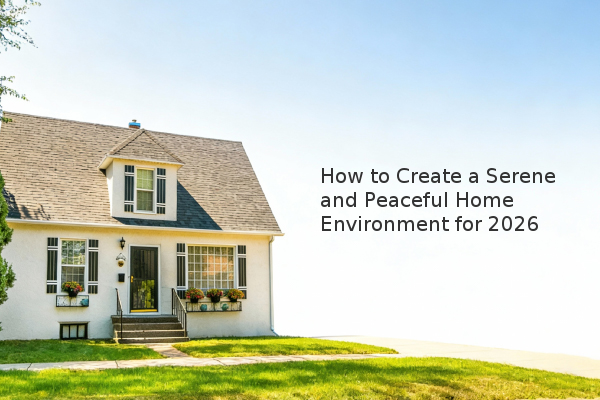
Creating a home that consistently fosters a sense of peace and relaxation is a fundamental goal for many homeowners. Based on our experience assessment, a serene home environment directly contributes to personal well-being and can even enhance a property's long-term appeal. The core principles for achieving this involve intentional design, personalized organization, and a thoughtful selection of colors and textures. By focusing on personalized flow, dedicated zones, and sensory comfort, you can systematically transform your living space into a true retreat.
The initial step is deeply personal and involves an honest assessment of your needs and preferences. Experts suggest starting by asking fundamental questions like, "What activities bring me calm?" and "How do I want to feel in each room?" The goal is to populate your home with items that spark joy, a concept that aligns with creating a positive emotional response. For instance, if reading is a source of peace, a well-organized bookshelf is essential. Conversely, if visible clutter causes stress, implementing smart storage solutions becomes a priority. It's important to remember that peace is subjective; items that bring happiness to one person, such as scattered pet toys in a household that cherishes its animals, are perfectly valid components of a serene space.
A home's physical layout is critical to its calming atmosphere. A serene home is easily navigated, without obstacles that cause frustration or minor accidents. Think about the traffic patterns in each room and arrange furniture to facilitate easy movement. A too-large sofa blocking the entrance to a den or a dog bed placed in a high-traffic kitchen pathway can subconsciously elevate stress levels. The principle is to create clear pathways and ensure that furniture is both proportionate to the room and strategically placed for effortless use. This careful consideration eliminates daily friction and supports a seamless, calming flow throughout your home.
Clutter is consistently cited as the primary factor that disrupts domestic peace. It visually overwhelms a space, constantly reminding homeowners of unfinished tasks. The solution is not necessarily minimalism but effective organization. Creating defined stations for specific activities is a powerful method to combat clutter. In the kitchen, a "meal prep zone" with all necessary tools within arm's reach streamlines cooking. A dedicated "command center" in the entryway for keys, mail, and coats prevents the foyer from becoming a chaotic catch-all. For individuals, a designated reading nook or a specific meditation chair signals to the brain that it's time to unwind, thereby enhancing the effectiveness of that peaceful activity.
The sensory experience of your home—particularly through color, comfort, and texture—plays a significant role in cultivating serenity.
In conclusion, building a peaceful home is an intentional process. By defining your personal needs, optimizing your home's flow, and selecting design elements that promote comfort, you can create a sanctuary that supports your well-being. The most effective approach is always personalized, ensuring your home is a genuine reflection of what brings you calm.