Browse

Log in / Register
 Share

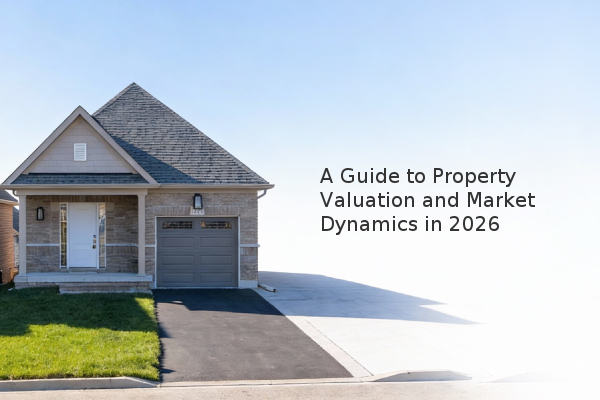
Understanding how property valuation works is the first step to making an informed real estate decision. A property's value is not a single number but an estimate influenced by a complex interplay of location, market conditions, and unique property features. In 2026, with shifting economic factors, grasping these fundamentals is more critical than ever for both buyers and sellers. The most accurate valuation often comes from a comparative market analysis (CMA) performed by a real estate professional, which examines recent sales of similar properties.
Property valuation is a professional assessment of a property's market worth. Several key factors determine this value. Location remains the paramount factor, influencing desirability based on school district quality, proximity to employment centers, and neighborhood amenities. The property's physical attributes, including square footage, number of bedrooms and bathrooms, age, and condition, are equally critical. Beyond these, current market dynamics—such as interest rates, local inventory levels, and broader economic trends—play a significant role. For example, a rise in mortgage rates can cool buyer demand, potentially affecting values.
| Valuation Factor | Impact on Property Value |
|---|---|
| Location & School District | High |
| Property Size & Condition | High |
| Local Market Inventory | Medium to High |
| Recent Renovations | Medium |
| Interest Rate Environment | Medium |
During a mortgage application, a lender will require a formal appraisal, which is an unbiased opinion of a property's value conducted by a licensed or certified appraiser. The appraiser's report is crucial for the lender to ensure the loan amount does not exceed the property's worth. The process typically involves an on-site inspection to assess the property's condition and a comparison to recently sold comparable properties, or "comps." The appraised value can sometimes differ from the agreed-upon sale price, which may lead to renegotiations between the buyer and seller.
It is essential to distinguish between market value and assessed value. Market value is the estimated amount a buyer would pay and a seller would accept in an open market. This is the figure that real estate agents and appraisers aim to determine. In contrast, the assessed value is a value assigned by a local government tax assessor for the purpose of calculating property taxes. The assessed value is often a percentage of the market value and can vary significantly by municipality. Homeowners should not confuse the two when evaluating their property's worth or challenging their tax bill.
Proactive maintenance is key to preserving and enhancing property value. Based on our experience assessment, consistent upkeep of major systems like HVAC, roofing, and plumbing prevents costly devaluation. Modernizing key areas such as kitchens and bathrooms also offers a strong return on investment. Furthermore, understanding local zoning laws before undertaking any significant additions is critical, as unpermitted work can negatively impact value and create complications during a sale. Curb appeal, through landscaping and exterior maintenance, creates a strong first impression that can positively influence perceived value.
To navigate the 2026 real estate landscape effectively, homeowners and prospective buyers should focus on obtaining a professional comparative market analysis, understand the distinction between different types of value, and invest in strategic property maintenance. These steps provide a solid foundation for making sound financial decisions in a dynamic market.