Browse

Log in / Register
 Share
Share
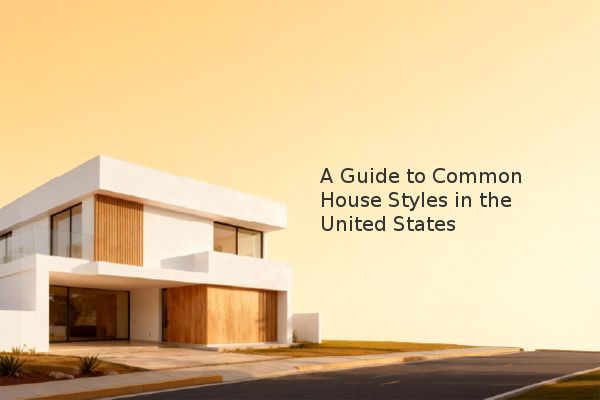
Understanding the different types of house styles is a fundamental step for any home buyer, seller, or enthusiast. From the historic charm of a Colonial to the open layouts of a Modern Farmhouse, each architectural style offers a unique set of characteristics, advantages, and maintenance considerations. This guide provides an objective overview of the most prevalent residential architectural styles across the U.S., helping you identify them and understand their key features.
The defining features of a home's style include its roof shape, window style, exterior materials, and overall floor plan. Recognizing these elements not only enhances your appreciation for a property but also informs your decision-making process. Whether you're drawn to ornate historical details or sleek contemporary lines, understanding house styles equips you with the knowledge to evaluate what best suits your lifestyle and investment goals.
Easily recognizable by their symmetrical façade and rectangular shape, Colonial-style homes are deeply rooted in American history. They typically feature a side-gabled roof, meaning the triangular end of the roof is on the side of the house, and a centered front door with an equal number of windows on either side. The interior layout is often formal, with rooms branching off a central staircase.
Key variations include Georgian, Dutch Colonial, and Saltbox styles. A Dutch Colonial is distinguished by its broad, gambrel roof (a two-sided roof with a shallow upper slope and a steeper lower slope), which provides extra space on the top floor. These homes prioritize tradition and symmetry, but their room-by-room layout can feel less open than modern designs. Based on our experience assessment, maintaining the historical integrity of original features like multi-pane windows can be a consideration for owners.
Victorian houses, popular from the mid-to-late 1800s, are the antithesis of the simple Colonial. They are known for their asymmetrical design, complex rooflines with steep gables, and extensive decorative details. Wrap-around porches, ornate spindle work, and vibrant color schemes are common hallmarks. The term "gingerbread trim" is often used to describe the intricate woodwork adorning the eaves and porches.
Inside, Victorian homes often feature high ceilings, detailed woodwork, and multiple small rooms rather than an open floor plan. Styles like Queen Anne and Second Empire fall under the Victorian umbrella. While full of character, these homes can present maintenance challenges due to their age and the complexity of their unique features. It's crucial to have a thorough inspection, especially for issues like outdated wiring or plumbing.
The Ranch style, also called a Rambler, emerged prominently in the post-World War II era and emphasizes casual, single-story living. Its long, low-to-the-ground profile, low-pitched roof, and simple lines are its most identifiable traits. The layout is typically open and informal, often featuring an attached garage and a focus on integrating indoor and outdoor spaces through sliding glass doors.
Ranch homes are prized for their accessibility and ease of movement, making them a practical choice for many buyers. However, their sprawling footprint can require a larger lot. The split-level ranch, a common variation, introduces short flights of stairs to create separate zones for living, sleeping, and recreation, optimizing space on a sloped lot. Their straightforward construction often makes renovations more manageable compared to more complex styles.
This category encompasses a range of styles from the mid-20th century to today, all prioritizing function, simplicity, and a connection to the outdoors. Modern styles like Mid-Century Modern feature clean lines, large glass windows, and open floor plans, often using materials like steel and glass in addition to wood. They emphasize bringing nature inside.
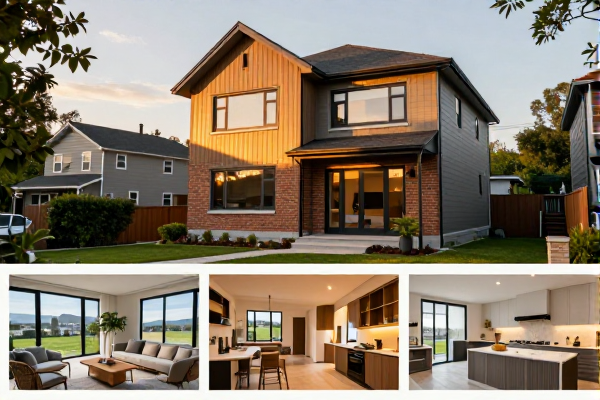
Contemporary architecture refers to designs of the present moment, which often incorporate sustainable materials and energy-efficient technologies. These homes may have asymmetrical shapes, mixed exterior materials (e.g., wood siding combined with metal panels), and flat or butterfly roofs. The aesthetic is minimalist and geometric. The value of these homes is often closely tied to the quality of construction and the integration of smart home features.
Two other highly sought-after styles are Craftsman and Tudor. The Craftsman style, including Bungalows, emphasizes handcrafted detail and natural materials. It is characterized by a low-pitched roof with wide, overhanging eaves, a covered front porch with thick, tapered columns, and exposed structural elements like rafters.
In contrast, the Tudor Revival style draws inspiration from medieval English architecture. Its most noticeable features are the steeply pitched roof and decorative half-timbering (wooden beams set into the exterior stucco or masonry). Tall, narrow windows with multiple panes and a prominent, ornate chimney are also common. While Craftsman homes feel warm and grounded, Tudor homes offer a storybook charm.
When evaluating a home, consider not just aesthetics but also practicality.