Browse

Log in / Register
 Share
Share

Navigating Philadelphia's real estate market requires a clear understanding of its zip codes, as they are key indicators of neighborhood character, amenities, and property values. Based on our experience assessment, Philadelphia zip codes directly correlate with significant variations in median home prices and rental rates, with differences exceeding hundreds of thousands of dollars between areas. This guide provides an objective overview of the city's key postal codes to inform your property search.
What is the relationship between Philadelphia zip codes and real estate? A zip code is a postal code used by the United States Postal Service (USPS). In Philadelphia, these boundaries often align with neighborhood lines, making them a useful, though not perfect, proxy for understanding local market conditions. Each zip code encompasses a unique set of characteristics, including housing stock types, school districts, and access to public transportation. For instance, Center City zip codes like 19102 and 19103 are dominated by high-rise condominiums and luxury apartments, while neighborhoods in Northwest Philadelphia, such as 19118 (Chestnut Hill), feature a higher concentration of single-family homes.
Which Philadelphia zip codes have the highest property values? As of early 2026, the most expensive zip codes in Philadelphia are consistently found in the Center City and surrounding areas. Data from regional multiple listing services indicates that 19103 (Rittenhouse Square) leads with a median home sale price often exceeding $1.2 million. Other high-value areas include 19106 (Old City), known for its historic charm, and 19118 (Chestnut Hill), which offers a suburban feel within the city limits. The table below illustrates the approximate median home sale prices for a selection of zip codes.
| Philadelphia Zip Code | Representative Neighborhoods | Approx. Median Home Sale Price (Early 2026) |
|---|---|---|
| 19103 | Rittenhouse Square | $1,200,000+ |
| 19118 | Chestnut Hill | $850,000+ |
| 19106 | Old City, Society Hill | $800,000+ |
| 19130 | Fairmount, Art Museum Area | $650,000+ |
| 19147 | Passyunk Square, Pennsport | $550,000+ |
How do zip codes affect property taxes and other costs? Property tax rates are uniform across the city; however, because the tax is based on the assessed value of the property, homeowners in higher-value zip codes will pay more in absolute terms. It's crucial to understand that the assessed value is determined by the City of Philadelphia's Office of Property Assessment and may not always align perfectly with current market sales prices. Additionally, costs like title insurance, which protects against ownership disputes, are generally not tied to zip code but rather to the sale price of the property itself.
What should home buyers consider beyond the zip code? While zip codes provide a helpful macro-view, they should not be the sole factor in a home-buying decision. Prospective buyers are advised to visit neighborhoods personally and research specific blocks. Factors such as proximity to public transit, walkability scores, and future development plans can vary within a single zip code. Consulting recent sales data for a hyper-local area is a more precise method for determining a property's market value than relying solely on zip-code-wide averages.
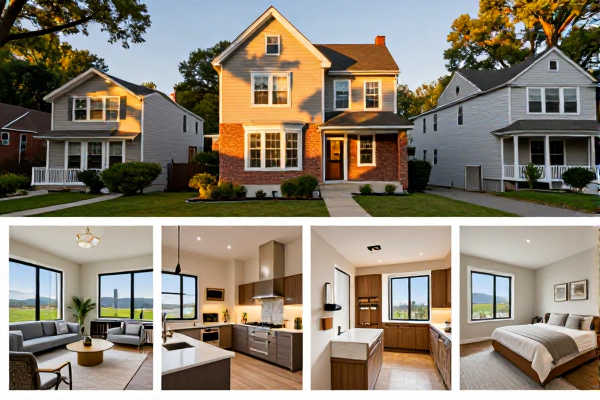
Ultimately, using a Philadelphia zip code map is an excellent starting point for your search. It helps narrow down areas that align with your budget and lifestyle preferences. For the most accurate and current information, cross-reference zip code data with recent market reports and consider engaging a local real estate professional who can provide nuanced insights into micro-markets across the city's diverse neighborhoods.