Browse

Log in / Register
 Share

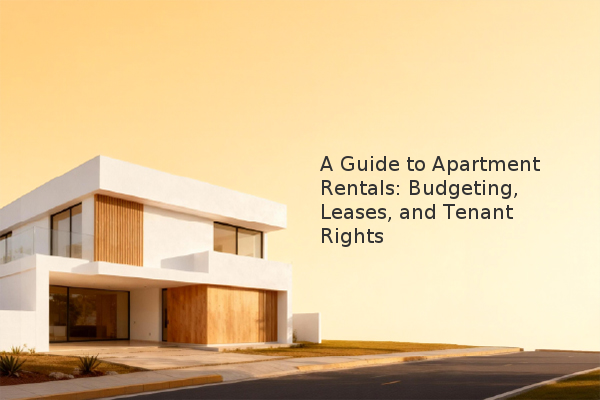
Navigating the apartment rental market requires a clear understanding of your budget, the terms of a lease agreement, and your rights as a tenant. The core of a successful rental experience lies in thorough preparation, from calculating affordable rent to comprehending the legal document you will sign. This guide provides a factual overview of the key steps and considerations, empowering you to make informed decisions.
A fundamental rule in personal finance is that your gross monthly income should be at least three times the monthly rent. For example, if an apartment rents for $1,500, your annual income should ideally be at least $54,000. This is a standard benchmark many landlords use during the application process. Beyond rent, you must budget for upfront and recurring costs. Upfront costs include a security deposit (often equal to one month's rent), the first month's rent, and possibly last month's rent. Recurring costs encompass utilities like electricity and internet, which may not be included in the rent. The table below outlines common expenses:
| Expense Category | Typical Cost | Notes |
|---|---|---|
| Monthly Rent | Varies by location/size | The base cost for occupying the unit. |
| Security Deposit | Often 1x monthly rent | Refundable, barring damages. |
| Application Fee | $30 - $75 | Non-refundable fee for background/credit check. |
| Renter's Insurance | $15 - $30/month | Highly recommended for personal liability and property coverage. |
A lease agreement is a legally binding contract between a tenant and a landlord outlining the terms of the rental. Before signing, scrutinize every clause. Key elements to verify include the lease duration, rent amount and due date, and policies on pets, subletting, and maintenance responsibilities. Pay close attention to the early termination clause, which details the financial penalties for breaking the lease early. It is also critical to document the property's condition. Conduct a move-in inspection with the landlord and fill out a checklist, noting any existing damage. Taking dated photographs provides additional evidence to ensure your security deposit is fully returned when you move out.
Tenant rights vary by state but are grounded in the warranty of habitability, an implied guarantee that a rental property is fit for human habitation. This means the landlord must maintain essential services like working heat, plumbing, electricity, and ensure the unit is structurally sound and pest-free. If repairs are needed, tenants typically must provide written notice to the landlord. If the landlord fails to act, tenants may have remedies such as withholding rent (by placing it in an escrow account) or, in some jurisdictions, repairing the issue and deducting the cost from the rent, following specific legal procedures. Understanding these rights is essential for resolving disputes.
In summary, a successful apartment rental hinges on three pillars: a realistic budget that accounts for all potential costs, a meticulous review of the lease agreement, and a clear understanding of your tenant rights. Always document all communication with your landlord and keep copies of your lease and inspection reports. Based on our experience assessment, this proactive approach significantly reduces potential conflicts and leads to a more secure and positive renting experience.