Browse

Log in / Register
 Share


Strategic landscaping renovations can significantly boost your home's curb appeal and potentially increase its property value. For homeowners considering a sale, focusing on exterior improvements that create a strong first impression is a high-return investment. According to a 2023 analysis by the National Association of Realtors (NAR), well-executed landscaping can contribute to a faster sale. This guide outlines eight professional considerations to elevate your home’s exterior, ensuring your renovations are both aesthetically pleasing and financially prudent.
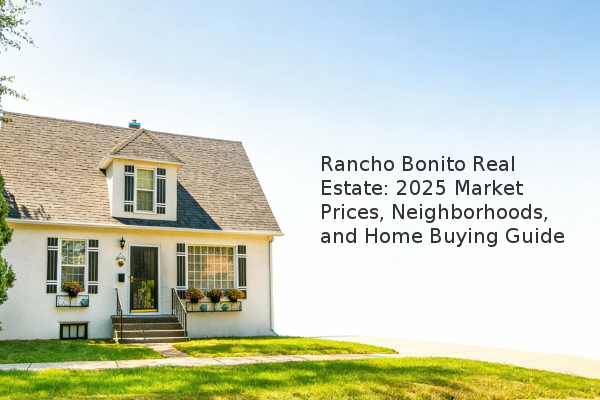
How Can You Design Landscaping That Complements Your Home’s Architecture? Before selecting plants or hardscapes, analyze your home’s architectural style. The goal is to enhance, not overpower, the existing structure. Key questions to guide your design include the primary building materials, the home’s style (e.g., Victorian, Cape Cod, Ranch), and which architectural features should be highlighted. For instance, a Victorian home benefits from minimalistic landscaping that frames the property without obscuring intricate details, such as a few large trees and foundation shrubs. Conversely, a Cape Cod-style home pairs well with symmetrical designs, cottage plants like hydrangeas, and traditional walkways that emphasize its balanced charm.
What Are the Best Low-Maintenance, Year-Round Landscaping Strategies? Creating a landscape that looks appealing across all seasons requires careful plant selection and smart systems. Begin by researching native plants that thrive in your local climate zone; a local nursery can provide specific advice. In arid regions like Arizona, drought-resistant species like cacti and certain shrubs are ideal. In colder climates, evergreen shrubs such as dwarf pine varieties maintain structure even under snow. To ensure consistency with minimal effort, installing an automated irrigation system is a highly effective solution. These systems provide consistent watering, prevent uneven distribution, and can be timed to operate during optimal hours, which is crucial for maintaining turf health during hot summers.
How Can Landscaping Enhance Privacy and Define Outdoor Spaces? Landscaping serves functional purposes beyond aesthetics. For increased privacy, consider integrating elements like tall privacy hedges, wooden lattice fences with climbing vines, or strategically placed large trees around your property’s perimeter. These features also act as sound barriers for homes near busy roads. To define and connect different areas of your yard, pathways are essential. Options range from modern cement slabs and traditional brick inlays to casual stone paths. The choice of material should guide movement and complement your home’s exterior, creating a cohesive and intentional outdoor flow.
What Role Do Lighting and Water Features Play in Curb Appeal? Professional-grade outdoor lighting is a dual-purpose investment that enhances safety and aesthetic appeal after sunset. It illuminates key landscape features, extends usable outdoor time for areas like patios, and can make a home appear more inviting. For those with ample space, a well-integrated water feature, such as a small pond, fountain, or even a recirculating stream in desert climates, can introduce a sense of tranquility and luxury. While a swimming pool’s value impact is location-dependent, maintaining pristine landscaping around any water feature is universally beneficial. Based on our experience assessment, these elements contribute to a premium feel that can distinguish your property in the market.
To maximize the return on your landscaping investment, prioritize projects that harmonize with your home’s architecture, require manageable upkeep, and serve multiple functions like privacy and aesthetic enhancement. Bold choices in pathway materials and strategic lighting can transform an ordinary yard into a standout asset. Ultimately, a cohesive and well-maintained exterior is a powerful tool for attracting potential buyers and increasing your home's marketability.