Browse

Log in / Register
 Share

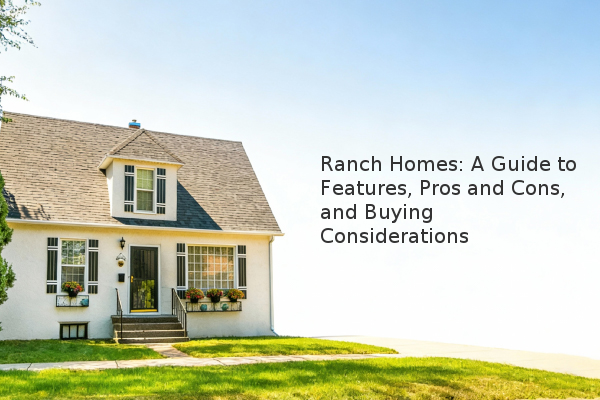
Ranch homes, also known as ramblers, are single-story dwellings prized for their open layouts and accessibility, making them a compelling choice for many homebuyers in the current market. This architectural style, which surged in popularity in the mid-20th century, offers a distinct set of advantages and drawbacks. Understanding the key characteristics of a ranch home, from its typical floor plan to its maintenance needs, is crucial for determining if this property type aligns with your lifestyle and long-term goals. This guide provides an objective analysis to inform your decision-making process.
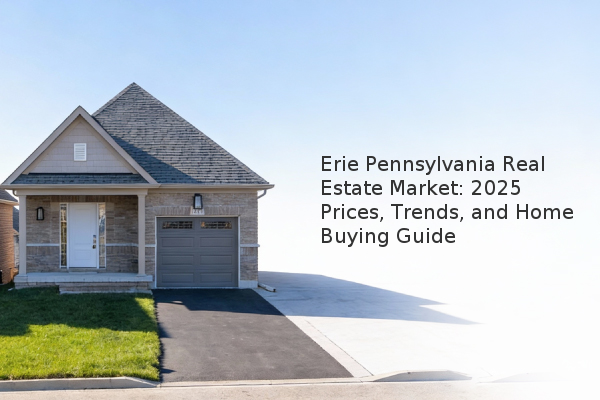
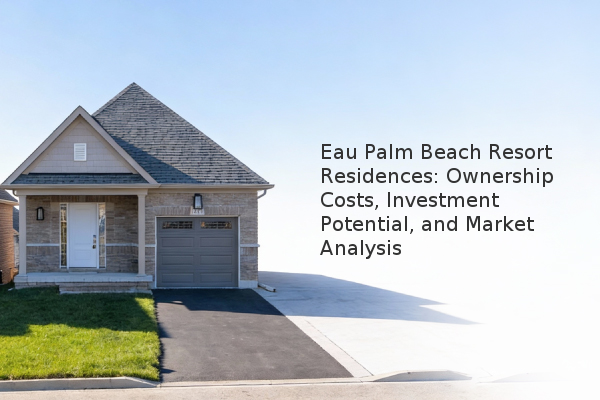
The core characteristic of a ranch home is its single-level living. Unlike multi-story houses, all primary living spaces—including bedrooms, kitchen, and living room—are situated on one floor. This layout is often complemented by a long, low-profile roofline, a rectangular, L-shaped, or U-shaped footprint, and an emphasis on casual, open-concept living areas that merge indoor and outdoor spaces. Many ranch homes feature attached garages and expansive windows. The simplicity of the design often translates to a more straightforward structural assessment during a home inspection, a key step in the real estate transaction process.
The primary benefit of a ranch home is its universal accessibility. The absence of stairs makes it an ideal option for individuals with mobility challenges, families with young children, or those planning to age in place. This feature can also be a significant selling point in the future. Furthermore, the single-story design often leads to efficient use of space, with simpler HVAC systems potentially resulting in lower utility costs compared to cooling and heating a larger, multi-story property. The open floor plan common in many ranch homes facilitates a modern living experience, promoting a seamless flow between rooms, which is highly desirable for entertaining and family gatherings.
While the single-level layout is a major advantage, it also presents certain trade-offs. To achieve the same square footage as a two-story home, a ranch requires a larger foundation and more roof, which can increase the cost per square foot. This often means that ranch homes sit on larger lots, which can be a positive for privacy but may also lead to higher property tax assessments and more demanding landscape maintenance. From a market perspective, the high demand for these homes can lead to competitive pricing, especially in markets popular with retirees. Buyers should be prepared for potential bidding scenarios.
| Feature | Ranch Home | Typical Two-Story Home |
|---|---|---|
| Layout | All living space on one level | Bedrooms typically upstairs, common areas downstairs |
| Accessibility | High; no stairs to navigate | Lower; requires navigating stairs |
| Lot Size | Often larger footprint | Can be built on a smaller lot |
| Maintenance | Easier interior upkeep; larger roof & exterior | More complex interior movement; potentially smaller roof area |
If you are considering purchasing a ranch home, a thorough evaluation is key. Pay close attention to the roof's age and condition, as a larger roof can represent a significant future expense. In older ranch homes, check for outdated plumbing, electrical systems, and insulation, as upgrades may be necessary. Assess the flow of the open floor plan to ensure it meets your family's needs for both communal space and privacy. For those interested in customization, the simple, often modular construction of ranch homes can make renovations like adding a patio or reconfiguring interior walls more straightforward than in more complex architectural styles.
In summary, ranch homes offer significant benefits in accessibility and functional living but come with specific cost and maintenance considerations. The decision hinges on your personal circumstances, including your budget, lifestyle, and long-term plans. By carefully weighing the features and conducting diligent inspections, you can determine if a ranch home is the right investment for you. Focus on the home's condition, lot size, and potential for future modifications to make a well-informed choice.